
Cantegril
Leben in Cantegril, Punta del Este
Im Jahr 1943, während eines Abendessens im Hotel Casino Punta del Este, wurde dem argentinischen Unternehmer Mauricio Litman 52 Grundstücke angeboten, die er nie zuvor gesehen hatte — in einer Zone aus Pinien- und Eukalyptuswald nördlich der späteren Avenida Roosevelt, so unerschlossen, dass man sie nur zu Pferd erreichen konnte. Er kaufte sie. Dann kaufte er weitere. Dann erschuf er mitten im Wald ein ganzes Viertel, errichtete einen Country Club als Zentrum und nannte das Ensemble Cantegril — nach dem provenzalischen Ausdruck für „die Grille singt".
Mehr als achtzig Jahre später sind die von Litman gepflanzten Bäume zu einem Blätterdach herangewachsen, das den Charakter von Cantegril ebenso prägt wie alles, was darin gebaut wurde. Das Viertel erstreckt sich von der Avenida Artigas im Norden bis hinunter zur Playa Mansa — von Parada 10 bis Parada 16 — mit der Avenida Roosevelt als kommerzieller und infrastruktureller Achse, von der aus sich die Wohnstraßen in beide Richtungen unter Pinien und Eukalyptus ausbreiten, die acht Jahrzehnte Zeit hatten, ihre heutige Größe zu erreichen. Es ist, wie die meisten langjährigen Bewohner gerne bestätigen, einer der vollständigsten Orte zum Leben in Punta del Este.
Die Ursprünge: Ein Visionär im Wald
Litmans Genie lag nicht nur im Viertel selbst — sondern in der Strategie, es zu verkaufen. 1943 war das soziale und kommerzielle Herz von Punta del Este die Avenida Gorlero und die Halbinsel. Käufer davon zu überzeugen, in einer bewaldeten, abgelegenen Zone zu investieren, erforderte Außergewöhnliches. Litmans Lösung war es, zunächst den Cantegril Country Club zu errichten — eröffnet am 2. Februar 1947, mit dem uruguayischen Präsidenten Luis Batlle Berres als Ehrengast — und diesen als gesellschaftlichen Anker zu nutzen, um den sich alles Weitere entwickelte. Die Logik war einfach: Gib den Menschen einen Grund, dort zu sein, und sie werden Gründe finden, zu bleiben.
Es funktionierte. Der Club wurde sofort zum Zentrum des gesellschaftlichen, kulturellen und sportlichen Lebens von Punta del Este. In den 1950er Jahren organisierte Litman das erste Internationale Filmfestival Uruguays in den Clubräumen — Filmemacher, Journalisten und Kulturschaffende aus ganz Lateinamerika und Europa kamen und setzten Cantegril auf die globale Landkarte zu einer Zeit, als die Welt Punta del Este kaum kannte. Er veranstaltete auch internationale Tennisturniere, Modeschauen mit europäischen Couturiers und 1966 den ersten Miss Punta del Este-Wettbewerb. Der Name in der Gründungssprache von Cantegril bedeutet „die Grille singt" — die Realität war allerdings deutlich glamouröser.
Litmans Geschichte endet nicht geradlinig. Die Militärdiktatur, die 1973 in Uruguay an die Macht kam, stellte seine Vermögenswerte unter Zwangsverwaltung. 1974 floh er aus dem Land und zog über Argentinien, Kolumbien und die USA. Unter Druck des Regimes verkaufte seine Familie den Cantegril Country Club 1984 zu etwa 20 % des tatsächlichen Marktwerts. Das Unrecht wurde nie offiziell aufgearbeitet. Doch das von Litman geschaffene Viertel überdauerte, und der von ihm gegründete Club besteht bis heute.
Der Country Club: Noch immer das gesellschaftliche Zentrum
Heute betreibt der Cantegril Country Club drei Standorte — Central, Golf und Campo Deportivo — und bleibt der exklusivste Privatclub Punta del Estes. Der 18-Loch-Golfplatz, 1947 vom amerikanischen Architekten Luther Koontz entworfen und später weiterentwickelt, wurde vom uruguayischen Tourismusministerium als bester Platz von Punta del Este ausgezeichnet und ist Austragungsort nationaler und internationaler Turniere. Mit Par 71 und 6.412 Yards schlängelt er sich durch einen alten Baumbestand, mit dem berühmten Loch 17 — El Diablito genannt — mit nierenfördigem Grün, und Loch 18 — El Encanto — flankiert von Wald zu beiden Seiten des Fairways.
Der Central Campus bietet zehn Sand-Tennisplätze (regelmäßiger Austragungsort von ATP-Challenger-Events und Copa Davis-Trainings), drei Pools (zwei im Freien, einer innen beheizt), Reitanlagen, ein voll ausgestattetes Fitnessstudio, Fitnesskurse, Yoga, Basketball, Kajak und ein ganzjährig geöffnetes Restaurant. Für Familien mit Kindern ist das Angebot an Junior-Programmen im Cantegril außergewöhnlich — ideal, um Kinder den Sommer über zu beschäftigen und Familien, die neu im Viertel sind, sofort ein soziales Netzwerk zu bieten.
La Azotea de Haedo: Geschichte in einer ruhigen Straße
Zu den bemerkenswertesten Anwesen in Cantegril zählt La Azotea de Haedo — die ehemalige Sommerresidenz von Eduardo Víctor Haedo, der Anfang der 1960er Jahre Präsident des Nationalen Regierungsrats von Uruguay war. Haedo war zugleich Politiker, Journalist und Maler, und sein Haus in Cantegril wurde zu einem der bedeutendsten kulturellen Treffpunkte des lateinamerikanischen 20. Jahrhunderts.
Zu den Gästen in den 1950er und 1960er Jahren zählten Pablo Neruda, Alfonsina Storni, Juana de Ibarbourou, Juan Domingo Perón, Liza Minnelli, Cantinflas und Prinz Philip. Am denkwürdigsten war im August 1961 der Besuch von Ernesto Che Guevara während der Interamerikanischen Wirtschafts- und Sozialkonferenz — dem OEA-Treffen, bei dem Guevara Kubas Ablehnung der Allianz für den Fortschritt vorstellte. Das Foto der beiden Männer beim Mate-Trinken im Garten eines Hauses in Cantegril wurde zu einem der prägenden Bilder Lateinamerikas im Kalten Krieg. Guevara unterschrieb das Gästebuch; das Original befindet sich heute bei der Banco República. Das Haus ist heute Museum und Kulturzentrum, das Konzerte, Kunstausstellungen und Veranstaltungen während der Sommersaison und zunehmend ganzjährig ausrichtet.
Schulen: Ein echtes Familienviertel
Einer der Hauptgründe, warum sich Familien für Cantegril entscheiden, ist die schulische Infrastruktur. Die Woodside School, eine bilinguale (Spanisch-Englisch) Privatschule, 1998 gegründet und im Herzen des Viertels an der Ecke Mercedes und Louvre gelegen, ist eine Cambridge Associate School und IB Diploma Programme-Zentrum. Gegründet von vier Lehrkräften mit einer gemeinsamen Vision für eine humanistische, bilinguale Ausbildung, begann sie mit 18 Schülern und zählt heute über 700 Schüler aller Altersstufen — etwa ein Viertel davon internationale Schüler aus Argentinien, Brasilien und Europa. Absolventen wurden an Universitäten in Belgien, Großbritannien und den USA aufgenommen. Das ebenfalls angesehene St. JosephMary College ist ebenfalls in der Nähe. Zwei hochwertige Privatschulen fußläufig oder in kurzer Fahrdistanz zum Haus zu haben, ist ein entscheidender Faktor für Familien, die einen ganzjährigen Wohnsitz suchen — und Cantegril bietet dies auf eine Weise, wie es kaum ein anderes Viertel in Punta del Este vermag.
Infrastruktur, Gesundheit & Alltag
Das Sanatorio Cantegril — das Fünf-Sterne-Privatkrankenhaus an der Roosevelt auf Höhe Parada 13, mit 7.400 Quadratmetern Klinikfläche und 82.000 Mitgliedern — liegt direkt im kommerziellen Korridor des Viertels. Ergänzt wird es durch die komplette Infrastruktur der Avenida Roosevelt: Devoto und weitere große Supermärkte für den täglichen Einkauf, zahlreiche Bankfilialen (Scotiabank, Itaú, Santander), Apotheken, Restaurants und Busverbindungen entlang des gesamten Küstenkorridors von Piriápolis bis José Ignacio.
Die Avenida Pedragosa Sierra bildet die südliche Grenze — die bekannteste gastronomische Meile der Stadt, Heimat von La Bourgogne (Relais & Châteaux), Floreal und Dutzenden weiterer Restaurants, Cafés und Bars, die ganzjährig geöffnet sind. Für Bewohner, die auch an einem Dienstagabend im Juni zu Fuß zum Abendessen gehen möchten, bietet Cantegril diese Option ebenso selbstverständlich wie den Strandzugang im Januar.
Der Mansa-Strand bei Parada 10 bis 16 — der am stärksten von Anwohnern geprägte und am wenigsten touristisch frequentierte Abschnitt der gesamten Mansa — ist von den meisten Adressen im Viertel aus bequem zu Fuß erreichbar. Der Strand hat hier einen ruhigen, gemeinschaftlichen Charakter, der die Bewohner der angrenzenden Straßen widerspiegelt, nicht die Sommergäste, die näher an der Halbinsel verweilen. Die Apartmenthäuser in erster Reihe entlang dieses Abschnitts gehören zu den begehrtesten Strandimmobilien der Stadt.
Immobilien: Was Cantegril bietet
Der Immobilienmarkt in Cantegril spiegelt den doppelten Charakter des Viertels wider. Direkt an der Mansa und in den ersten Straßen dahinter dominieren hochwertige Apartmenthäuser — viele davon architektonische Statements, entworfen von renommierten uruguayischen Architekten für Käufer, die die ruhigen Gewässer der Mansa und Sonnenuntergangsblick mit umfassenden Annehmlichkeiten verbinden wollten. Diese Apartments in erster Linie und strandnah erzielen Preise entsprechend dem Mansa-Markt: $3.500–$7.000 pro Quadratmeter, abhängig von Etage, Aussicht, Bauqualität und Ausstattung, mit Zwei-Zimmer-Einheiten meist zwischen $280.000 und $600.000 und größeren Drei-Zimmer-Wohnungen bis $700.000–$1.000.000+.
Weiter im Inneren des Viertels — abseits der Rambla und hinein in die von Bäumen gesäumte Nachbarschaft — verschiebt sich der Markt hin zu Häusern auf großzügigen Grundstücken, vergleichbar mit Lugano und Marly: solide Bauten aus den 1980er und 1990er Jahren, große Gärten, private Pools und die grüne Privatsphäre, die Cantegrils Waldursprung dem Viertel hinterlassen hat. Diese Immobilien bieten im Vergleich zu den Strandobjekten ein außergewöhnliches Preis-Leistungs-Verhältnis und sind besonders attraktiv für Familien, die ebenso viel Platz wie Meeresnähe suchen.
Die Mietrenditen in Cantegril sind in beiden Segmenten stark. Strandnahe Apartments bei Parada 10–16 erzielen ähnlich hohe Auslastungen wie der übrige Mansa-Markt — 90–95 % Belegung in der Hochsaison, mit monatlichen Mieten für Zwei-Zimmer-Wohnungen von $1.000–$1.900 für Jahresmieter und deutlich höheren Preisen für saisonale Vermietungen. Häuser im Inneren sprechen den Familienmarkt für Sommervermietungen an: mehrere Schlafzimmer, Pool, Garten, ruhige Straßen und eine Schule in Laufnähe für Familien, die einen Monat oder länger bleiben.
Wer lebt in Cantegril
Cantegril hat das breiteste Käufer- und Bewohnerprofil aller Viertel in Punta del Este — ein Beweis für seine Vollständigkeit. Käufer und Investoren von Strandapartments leben Tür an Tür mit etablierten Familien in den Häusern des Inneren. Argentinische und brasilianische Familien mit langjähriger Bindung an bestimmte Gebäude treffen auf neu zugezogene Expats, die in Cantegril die einzigartige Kombination aus Schulen, Krankenhaus, Club, Strand und Infrastruktur gefunden haben. Junge Familien, die von der Woodside School angezogen werden, wohnen nur wenige Straßen entfernt von Ruheständlern, die seit dreißig Jahren Mitglieder im Country Club sind. Der gemeinsame Nenner: das Bewusstsein, dass Cantegril kein Kompromiss zwischen unterschiedlichen Prioritäten ist — sondern das Viertel, in dem diese Prioritäten sich nicht gegenseitig ausschließen.
Entdecken Sie aktuelle Immobilienangebote in Cantegril bei Punta del Este Houses oder nutzen Sie unseren Neighborhood Matcher, um Cantegril mit anderen Lagen entlang des Punta del Este-Korridors zu vergleichen.
Häufig Gestellte Fragen
Cantegril wurde ab 1943 vom argentinischen Unternehmer Mauricio Litman entwickelt, der pinienbewaldetes Land nördlich der späteren Avenida Roosevelt erwarb und ein Wohnviertel rund um einen zentralen Country Club errichtete. Der Name stammt aus dem Provenzalischen und bedeutet ‚die Grille singt' — vermutlich inspiriert von einem gleichnamigen Roman des französischen Schriftstellers Raymond Escholier. Das Viertel wurde offiziell mit der Eröffnung des Cantegril Country Club am 2. Februar 1947 eingeweiht.
Der Cantegril Country Club ist Punta del Estes traditionsreichster privater Mitgliederclub und betreibt drei Standorte. Der Golf Campus bietet einen 18-Loch-Platz, entworfen vom amerikanischen Architekten Luther Koontz und vom uruguayischen Tourismusministerium als bester Golfplatz Punta del Estes ausgezeichnet. Der Central Campus verfügt über zehn Sand-Tennisplätze, drei Pools, Reitanlagen, Fitnessstudio, Yoga und ein ganzjährig geöffnetes Restaurant. Der Club war historisch Austragungsort von ATP-Challenger-Tennis-Events, Copa Davis-Trainings, internationalen Filmfestivals und Modeschauen. Er ist der gesellschaftliche, sportliche und kulturelle Mittelpunkt des Viertels.
La Azotea de Haedo ist die ehemalige Sommerresidenz von Eduardo Víctor Haedo – Journalist, Maler und Präsident des Nationalen Regierungsrates Uruguays Anfang der 1960er Jahre. Das in Cantegril gelegene Haus empfing einige der bedeutendsten kulturellen und politischen Persönlichkeiten des mittleren 20. Jahrhunderts: darunter Pablo Neruda, Alfonsina Storni, Juan Domingo Perón, Liza Minnelli und Che Guevara. Im August 1961 trafen sich Guevara und Haedo hier während der Interamerikanischen Wirtschaftskonferenz – das berühmte Mate-Foto dieses Treffens zählt zu den ikonischen Bildern des lateinamerikanischen Kalten Krieges. Heute ist das Haus ein Museum und Kulturzentrum, das der Öffentlichkeit zugänglich ist und im Sommer Konzerte und Ausstellungen veranstaltet.
Die Woodside School – eine zweisprachige (Spanisch-Englisch) Privatschule, gegründet 1998 – befindet sich im Barrio Cantegril an der Ecke Mercedes und Louvre. Sie ist eine Cambridge Associate School und ein IB Diploma Programme Zentrum mit rund 720 Schülern vom Kleinkindalter bis zur Sekundarstufe, von denen etwa 25 % internationale Schüler sind. Das St. JosephMary College, eine weitere angesehene zweisprachige Privatschule, befindet sich ebenfalls in der weiteren Umgebung. Zwei hochwertige zweisprachige Privatschulen im Viertel zu haben, ist ein bedeutender Vorteil für Familien, die einen festen Wohnsitz suchen.
Cantegril erstreckt sich südlich bis zur Playa Mansa zwischen Paradas 10 und 16 – dem ruhigsten und familienorientiertesten Abschnitt der Mansa, abseits der belebteren Geschäftsbereiche nahe der Halbinsel. Der Strand hier zeichnet sich durch eine gewachsene Nachbarschaftsatmosphäre aus, die eher von den festen Bewohnern als von Sommergästen geprägt ist. Die Apartmenthäuser in erster Reihe entlang dieses Abschnitts zählen zu den begehrtesten der Stadt. Der Strand ist von den meisten Adressen im Viertel bequem zu Fuß erreichbar.
Cantegril bietet zwei unterschiedliche Immobilienmärkte. Direkt an der Mansa oder in deren Nähe (Paradas 10–16) erzielen Apartments in erster Reihe und in Strandnähe Preise von $3.500–$7.000 pro Quadratmeter; Zwei-Zimmer-Einheiten liegen typischerweise zwischen $280.000 und $600.000, während hochwertige Drei-Zimmer-Apartments $700.000–$1.200.000+ erreichen. Im Inneren des Viertels verschiebt sich der Markt hin zu Häusern auf großzügigen Grundstücken mit Gärten und Pools – vergleichbar in Charakter und Preis mit Lugano und Marly – und bietet mehr Fläche pro Dollar als die Strandlage. Die jährlichen Mieteinnahmen für gut gelegene Cantegril-Apartments liegen bei $1.000–$1.900 pro Monat für Zwei-Zimmer-Einheiten und steigen für saisonale Sommervermietungen deutlich an.
Ja – es gilt als das kompletteste Ganzjahresviertel in Punta del Este. Die Kombination aus Sanatorio Cantegril an der Roosevelt, Devoto und Supermärkten, zwei Privatschulen, dem Country Club, den Restaurants an der Pedragosa Sierra und fußläufiger Nähe zur Mansa sorgt dafür, dass das tägliche Leben in Cantegril keine Fahrten in andere Viertel erfordert. Das Viertel ist das ganze Jahr über voll funktionsfähig: Schulen, Krankenhaus, Club und die Restaurants an der Pedragosa Sierra sind durchgehend geöffnet. Das ist der entscheidende Unterschied zu rein saisonalen Adressen.
Litman war eine bemerkenswerte und zugleich umstrittene Persönlichkeit. Er errichtete nicht nur Cantegril, sondern organisierte auch das erste Internationale Filmfestival Uruguays, holte Wimbledon-Sieger nach Punta del Este und machte die Stadt durch Veranstaltungen und Pressereisen weltweit bekannt. Nach der Machtübernahme durch die Militärdiktatur 1973 wurden seine Vermögenswerte unter staatliche Kontrolle gestellt. 1974 floh er aus Uruguay und lebte anschließend in Argentinien, Kolumbien und den Vereinigten Staaten. Unter dem Druck des Regimes sah sich seine Familie gezwungen, den Cantegril Country Club 1984 zu lediglich 20 % des tatsächlichen Marktwerts zu verkaufen. Für die Verluste wurde er nie offiziell entschädigt. Das von ihm geschaffene Viertel besteht dennoch bis heute fort – genau so, wie er es sich vorgestellt hatte.
Cantegril Country Club
Einer der traditionsreichsten Privatclubs Südamerikas — 18-Loch-Golfplatz, 10 Sand-Tennisplätze, drei Pools, Reitanlagen, Fitnessstudio und Restaurant — im Viertel gelegen und vom Tourismusministerium als bester Golfplatz Punta del Estes ausgezeichnet.
Privatschulen direkt vor der Tür
Woodside School — eine bilinguale, Cambridge-assoziierte Institution, gegründet 1998 — befindet sich im Barrio Cantegril an der Ecke Mercedes und Louvre. Auch das St. JosephMary College ist in der Nähe, sodass Familien zwei hochwertige bilinguale Privatschulen im Viertel zur Auswahl haben.
Mansa-Strand fußläufig erreichbar
Cantegril erstreckt sich von der Avenida Artigas bis zur Playa Mansa bei Parada 10 bis 16 — dem familienfreundlichsten und ruhigsten Abschnitt der Mansa, mit Gebäuden vom Strand bis zu den baumbestandenen Wohnstraßen.
Sanatorio Cantegril an der Roosevelt
Das Flaggschiff-Krankenhaus der Asistencial Médica Departamental de Maldonado — eine Fünf-Sterne-Privatklinik mit über 82.000 Mitgliedern — liegt an der Avenida Roosevelt im Viertel und sichert ganzjährige medizinische Versorgung.
Supermärkte, Banken & Alltag
Devoto und weitere große Supermärkte sind bequem erreichbar, ebenso wie die gesamte kommerzielle Infrastruktur der Roosevelt — Banken, Apotheken, Restaurants und Dienstleistungen, die das ganze Jahr über verfügbar sind.
Waldcharakter & Pinienalleen
Cantegril wurde in den 1940er Jahren buchstäblich aus einem Pinien- und Eukalyptuswald heraus geschaffen. Die Bäume hatten 80 Jahre Zeit zu wachsen, und die heutige grüne Dichte des Viertels ist das direkte Erbe von Mauricio Litmans Vision.
La Azotea de Haedo
Die ehemalige Sommerresidenz des uruguayischen Präsidenten Eduardo Víctor Haedo — in der Che Guevara, Pablo Neruda, Perón und Prinz Philip zu Gast waren — ist heute ein Museum und Kulturzentrum im Viertel mit ganzjährigen Veranstaltungen.
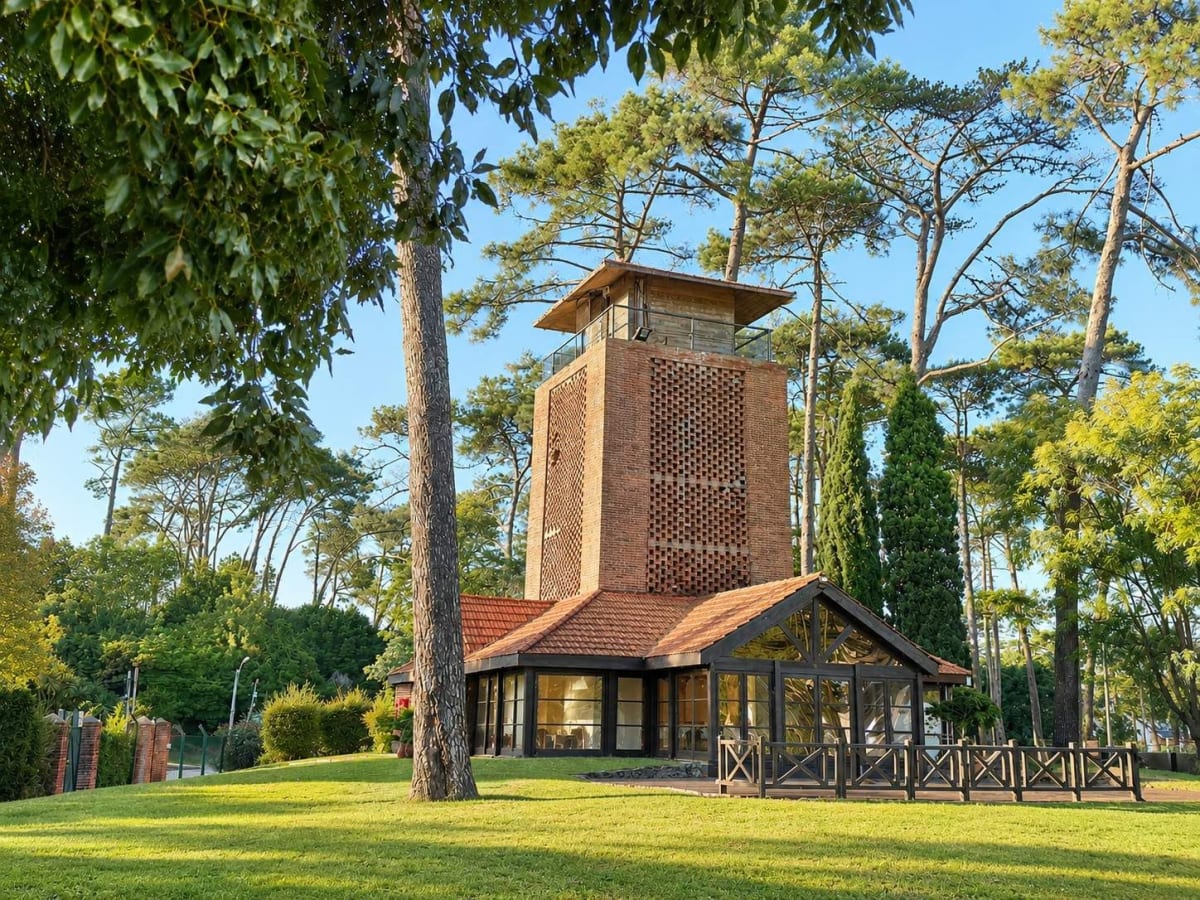

Designer-Residenz mit 4 Schlafzimmern im Fendi Château
Preis Anfragen

Exklusive Residenz Laguna Poseidon (312)

Renovierte Wohnung mit Meerblick
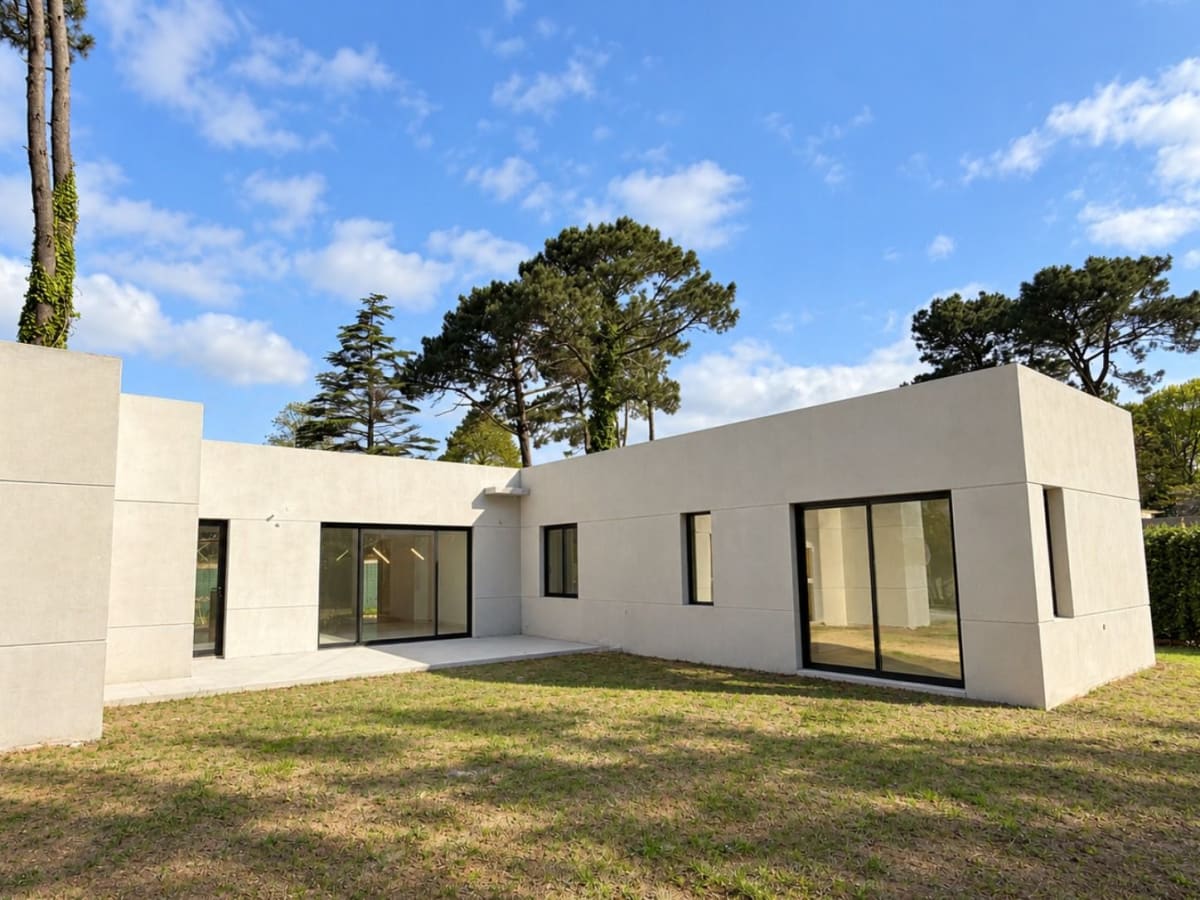
Neubau: Exklusives 3-Schlafzimmer-Haus mit privatem Garten
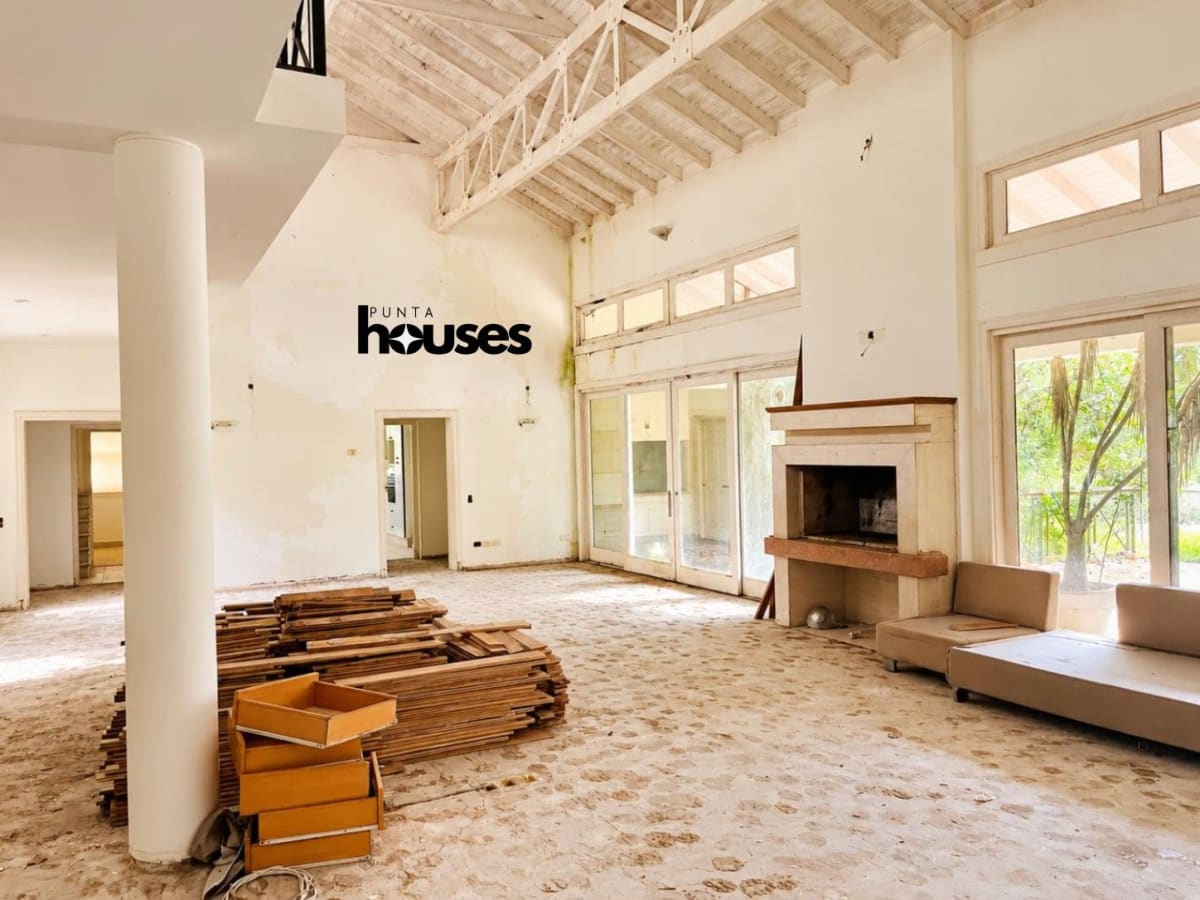
Großzügiges Anwesen mit Pool und außergewöhnlichem Renovierungspotenzial

1.000 m² Grundstück mit Entwicklungspotenzial
Interesse an diesem Gebiet?
Unser Team kennt jeden Winkel dieses Stadtteils. Wir helfen Ihnen, die richtige Immobilie zu finden.