Market News
Is Real Estate in Uruguay a Good Investment in 2026?
Explore Uruguay’s 2026 property market, including economic trends, investment benefits, potential risks, and the best locations for long-term real estate growth.
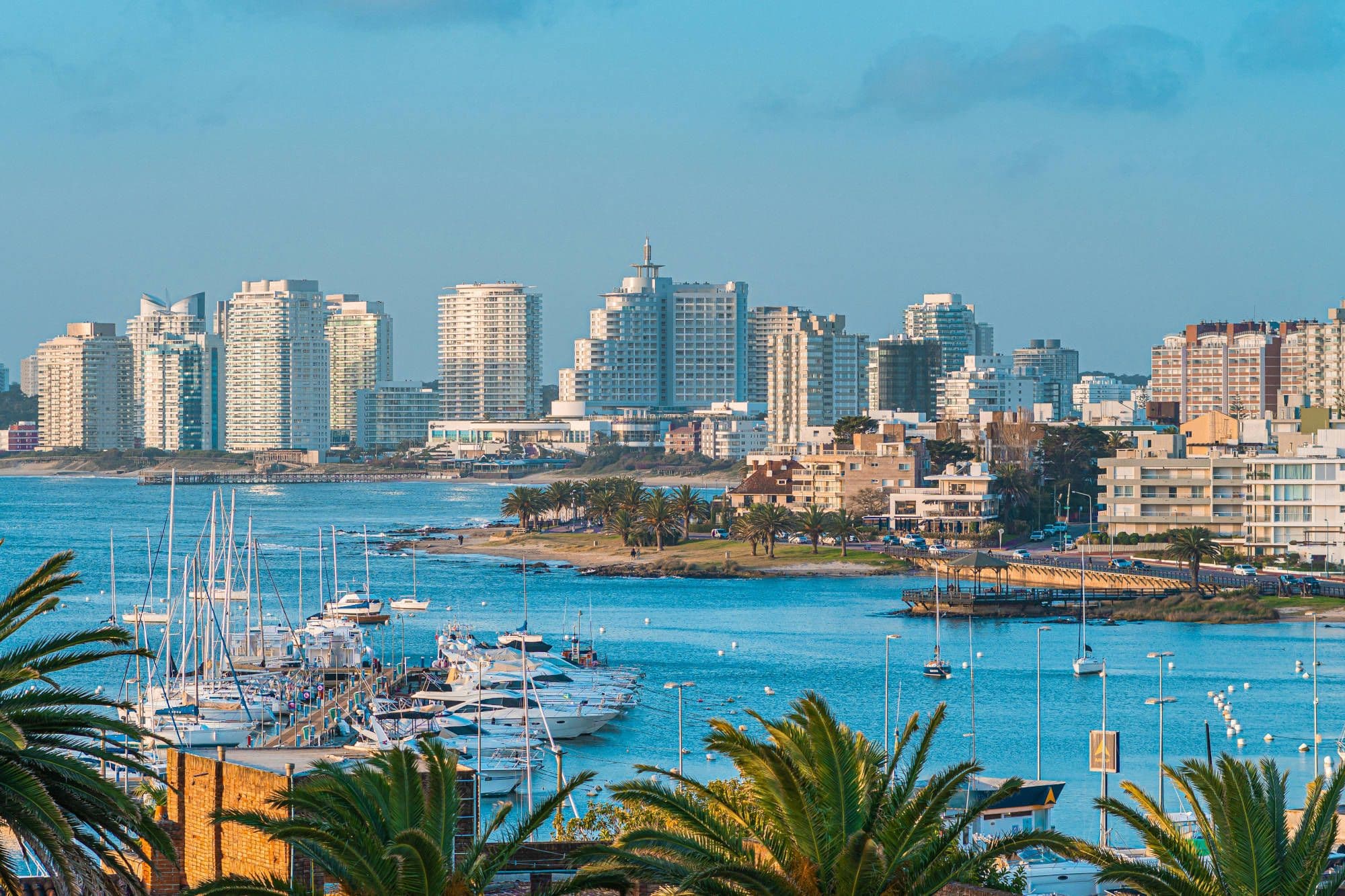
Punta del Este, Uruguay
How long does it take to sell a property in Uruguay? The answer depends on pricing, location, presentation, paperwork, buyer profile, and strategy. This guide explains what really affects selling time in Uruguay and how owners can position their property to attract stronger buyers and sell with more confidence.
April 6, 2026
Selling a property in Uruguay can be surprisingly fast, or frustratingly slow. The difference is rarely luck. In most cases, it comes down to a small number of variables: price, location, property type, presentation, documentation, timing, and the quality of the strategy behind the sale.
That is what many owners underestimate. A property does not sell quickly simply because it is beautiful, expensive, or well built. It sells when the market understands it, trusts it, and sees enough value to act.
In Uruguay, this is particularly important because the market is not uniform. A modern apartment in Punta del Este, a family home in Maldonado, a beach property in Ocean Park, and a chacra outside Piriápolis do not move at the same speed, attract the same buyer, or require the same sales approach. Sellers who understand that difference usually make better decisions from the start. Sellers who do not often lose time in avoidable ways.
One of the most common questions sellers ask is: how long should it take? The honest answer is that there is no standard rule.
Some properties generate strong interest within the first days or weeks. Others may sit on the market for months, even if they appear attractive on paper. That does not always mean something is "wrong" with the property. Often, it means there is a mismatch between the property, the asking price, the target audience, and the way it has been presented.
A property only moves quickly when those elements are aligned.
Buyers are not only comparing square meters, finishes, or views. They are also comparing clarity. Does the listing feel complete? Is the price believable? Can they immediately understand the lifestyle, convenience, or investment logic behind the property? Does the sale feel straightforward, or does it already feel like work?
The easier a property is to understand and trust, the faster the sales cycle tends to be. This is particularly true in markets with mixed buyer profiles, such as coastal Uruguay, where local families, Montevideo buyers, foreign investors, relocators, retirees, and second-home seekers may all be looking in the same broader region, but for very different reasons.
The first launch period matters more than many sellers realize. When a property first comes to market, it has freshness, curiosity, and visibility. That is when active buyers pay the most attention. If the listing launches with weak photography, vague information, an unrealistic price, or no clear positioning, valuable momentum can be lost early.
Once a listing has been sitting for too long, buyers start asking different questions. Instead of "Could this be right for me?", they begin wondering, "Why has nobody taken it yet?" That shift is subtle, but powerful.
In Uruguay, location does not only influence value. It also influences speed. Many sellers speak about location in broad terms. They say the home is in Maldonado, near Punta del Este, close to the beach, or in a growing area. Buyers think more precisely. They look at the micro-location. They want to know how a place feels in real life, not just on a map. That is often where selling time is won or lost.
Two homes in the same town can perform very differently depending on street, access, noise level, orientation, walkability, surroundings, and year-round practicality.
A buyer may love the general area, but still walk away because of noisy or messy neighbours, barking dogs, a nearby café or bar, inconvenient access, or because the setting feels less private, peaceful, or practical than they had hoped.
This is why broad location labels are never enough. A strong sales strategy explains not just where the property is, but why that specific position works.
For some buyers, that means tranquility and privacy. For others, it means proximity to schools, shops, health care, or the beach. For international buyers, it may also mean how easily they can integrate into daily life there.
Properties in Punta del Este, Piriápolis, Ocean Park, Punta Colorada, and the wider Maldonado area often attract a more lifestyle-driven buyer. That buyer is not only comparing price per square meter. They are comparing atmosphere, flexibility, quality of life, resale potential, and long-term enjoyment.
That is why some coastal homes sell relatively quickly even when they are not the cheapest option. If the property offers a strong emotional and practical case, buyers are often willing to move. But if the same home is badly positioned, poorly explained, or overpriced, it can remain stagnant despite being in a desirable area.
If sellers want an honest answer about what slows down a sale most often, it is this: the asking price is not aligned with the market.
That does not mean the property has no value. It means the market is not prepared to respond at that level, at least not in the current presentation or timing.
Overpricing is common because owners often calculate value emotionally. They think about what they invested, how much they improved, what they need financially, or what they feel the home deserves. Buyers do not calculate that way. Buyers compare alternatives.
Many owners say they want to "test the market" by starting high. In practice, this often weakens the sale instead of helping it.
An overpriced home gets less urgency, fewer qualified inquiries, and weaker initial traction. It may stay visible, but not active. The danger is not only that it takes longer to sell. The danger is that it begins to look stale and loses its strongest moment.
A property that feels fresh and correctly placed often attracts stronger buyers than one that has spent months being ignored and then reduced.
A good asking price does two things at once. It protects the property's value while creating enough market response to generate serious attention.
The right price depends on more than comparable sales. It also depends on who the likely buyer is, how broad or narrow that buyer pool is, how move-in ready the property feels, how much choice buyers currently have, and how clearly the property's advantages are being communicated.
This is why pricing should never be approached in isolation. It only works when combined with good positioning.
Not every property in Uruguay follows the same rhythm.
A city apartment, a beach house, a buildable lot, a rural chacra, a renovated family home, and a luxury residence all move according to different buyer psychology.
That may seem obvious, but many listings still fail because they are marketed too generically.
Properties that are easy to understand usually move faster. A practical home with a clean layout, good light, solid condition, and obvious use case creates less hesitation. Buyers know what they are looking at and can quickly imagine living there.
More complex properties need more work. A lot may require vision. A large house may need better audience targeting. A rural property may require a buyer who understands land, distance, maintenance, and infrastructure. A luxury home may need fewer but more qualified leads. None of these are bad properties. They simply need different positioning.
Many homes in Uruguay are sold not only as structures, but as ways of living. That is especially true in premium coastal markets.
But there is a difference between good storytelling and empty marketing language. Serious buyers do not respond well to exaggeration. They do respond well when the property's lifestyle benefits are explained clearly and honestly. Morning light on a terrace, year-round livability, privacy, beach proximity, low-maintenance construction, good flow for hosting, or a balanced indoor-outdoor setup — these details help buyers understand what daily life there would actually feel like.
That is more persuasive than generic phrases like "dream home" or "unique opportunity."
Presentation is not a finishing touch. It is one of the main sales tools. When buyers first encounter a property, they do not yet know the details of the construction, paperwork, or negotiation potential. What they know is what they can see and how that information is organized.
A property can be strong, but if the presentation is confusing, dark, incomplete, or inconsistent, the buyer's confidence drops immediately.
The best listings make the property easy to read. They use photographs that feel professional but believable. They show the order of the spaces logically. They highlight the strengths without hiding the reality. They give enough information to create trust.
That matters because hesitation starts very early. If buyers cannot understand the home quickly, they often move on before asking a single question.
This is especially important for international clients, who are often comparing properties remotely before deciding what is worth visiting.
Many sellers believe presentation is mainly the agent's job. It is, but the owner still plays an important role.
A house that is decluttered, brighter, cleaner, and better prepared almost always performs better. Small repairs matter. Outdoor spaces matter. Entrance sequence matters. Even simple things such as removing unnecessary furniture, improving curtains or lighting, and cleaning terraces can change how spacious and cared for a home feels.
The goal is not to create a fake version of the property. It is to remove distractions so the real strengths become obvious.
A property may attract strong interest and still fail to move if the documentation creates doubt. In Uruguay, this matters a great deal. Buyers want to feel that the process will be safe, clear, and manageable. If there are unresolved additions, unclear measurements, inconsistent data, missing information, or uncertainty around titles and regularization, the sale can slow down quickly.
Most buyers do not enjoy uncertainty. They may accept imperfections in the house more easily than imperfections in the transaction.
That is why documentation has such a direct impact on selling time. A property with orderly paperwork feels lighter. The buyer can move from interest to decision with fewer mental barriers.
When the opposite happens, even a motivated buyer may step back, wait, renegotiate, or lose confidence altogether.
International clients often need more clarity, not because they are more difficult, but because they are navigating a market that may be unfamiliar to them. They want to understand the process, the property, the costs, and the risks.
That is why transparency matters. Honest communication does not weaken a sale. It strengthens it. A property becomes more attractive when the process around it feels professional and clear.
For that reason, it can help to reference official sources such as the Dirección General de Registros, the Dirección Nacional de Catastro, and the government’s property registration process page, which reinforce the importance of clear registration and accurate property data.
The same property may perform differently depending on when it is listed and who it is meant to attract.
Coastal markets often become more active when more people are physically present in the region. At the same time, some year-round buyers are less seasonal and more practical in their decision-making.
A local family may decide relatively quickly if a home fits their daily life and budget. A foreign buyer may take longer at first, because they need more context, but once convinced, they may act decisively. An investor may move quickly on numbers but hesitate on unclear paperwork. A lifestyle buyer may fall in love quickly but still need reassurance.
This is why understanding the buyer profile is essential. Without that, the entire sales strategy becomes too general.
In the end, speed is not just about exposure. It is about reducing uncertainty. Buyers move when enough of the following are true at the same time: the property feels right, the price feels defendable, the process feels safe, and the timing feels reasonable. The more of those boxes you help them tick early, the faster the path tends to become.
Owners can improve their chances significantly by focusing on a few fundamentals before listing.
Before going live, look at the property through the eyes of someone who has never seen it before. Does it feel cared for? Spacious? Clear? Bright? Easy to understand? Does anything create doubt immediately?
Prepare the property so that its strongest qualities become more visible. That does not require expensive staging. It requires discipline, consistency, and good judgment.
A realistic seller is not a desperate seller. It simply means being open to data, feedback, and timing. If serious buyers are visiting but not acting, something is usually out of balance. It could be price, presentation, legal clarity, or how the property is being positioned. The right response is not panic. It is adjustment.
Have the core details ready. Be available for visits. Respond in time. Be willing to hear feedback without turning every conversation into a defense of the property. The smoother the experience feels, the more confidence buyers develop.
The difference between a mediocre agent and a strong one is not just network size. It is judgment.
A strong agent understands how the market sees the property, how buyers behave in that segment, and what needs to happen to turn attention into action. They know when to push, when to refine, and when to be direct.
The right agent will help shape pricing, presentation, target audience, and communication. They will not rely only on portals. They will think about reach, language, positioning, and how the property should be perceived by both local and international buyers.
This matters especially in Uruguay, where a meaningful part of the market is influenced by relocation, second-home demand, cross-border interest, and buyers comparing several regions at once.
The best agent is not necessarily the loudest one. It is the one whose listings feel precise, elevated, and credible. The one who understands how to create trust. The one who knows that premium service is not about pressure, but about clarity, timing, and intelligent representation. For properties that deserve a more refined sales approach, that difference becomes very visible.
So, how long does it take to sell a property in Uruguay? There is no fixed answer. But there is a pattern. Properties sell faster when they are correctly priced, well presented, legally clear, and brought to market with a strategy that matches the property itself and the buyer it is most likely to attract.
In that sense, selling well is not about hoping for the right buyer to appear. It is about creating the right conditions for the right buyer to feel ready.
That is where experience makes a real difference. Not just experience in showing properties, but in understanding markets, people, relocation concerns, international expectations, and the subtleties that make one home feel ordinary and another feel compelling. When those things are handled properly, a sale does not just happen faster. It happens better.
There is no fixed timeline to sell a property in Uruguay. Some homes attract serious interest within days or weeks, while others stay on the market for months. In most cases, the speed of a sale depends on factors such as asking price, location, property type, presentation, paperwork, and the overall real estate strategy behind the listing.
The most common reason a property in Uruguay does not sell quickly is that the asking price is not aligned with the market. In Uruguay real estate, buyers compare alternatives very carefully, especially in competitive areas such as Punta del Este, Maldonado, and Piriápolis. Even a beautiful home can remain on the market if the price does not match buyer expectations.
Yes. Location has a direct impact on how fast a home sells in Uruguay real estate. Buyers look beyond the map and focus on the micro-location, including privacy, access, surroundings, noise level, and year-round practicality. A property in Punta del Este, Ocean Park, or Piriápolis may attract interest faster when the specific setting supports the lifestyle buyers are looking for.
Yes, paperwork can absolutely delay the sale of a property in Uruguay. Unclear measurements, unresolved additions, inconsistent property data, or uncertainty around titles and regularization can slow down even a promising deal. In Uruguay real estate, clean documentation and transparent information help buyers move forward with more confidence and fewer delays.
Explore Uruguay’s 2026 property market, including economic trends, investment benefits, potential risks, and the best locations for long-term real estate growth.
Why is Maldonado growing so quickly? This article explores how migration, construction and economic momentum could reshape the region by 2040 — and why that matters for buyers and investors.