
Punta del Este, Uruguay

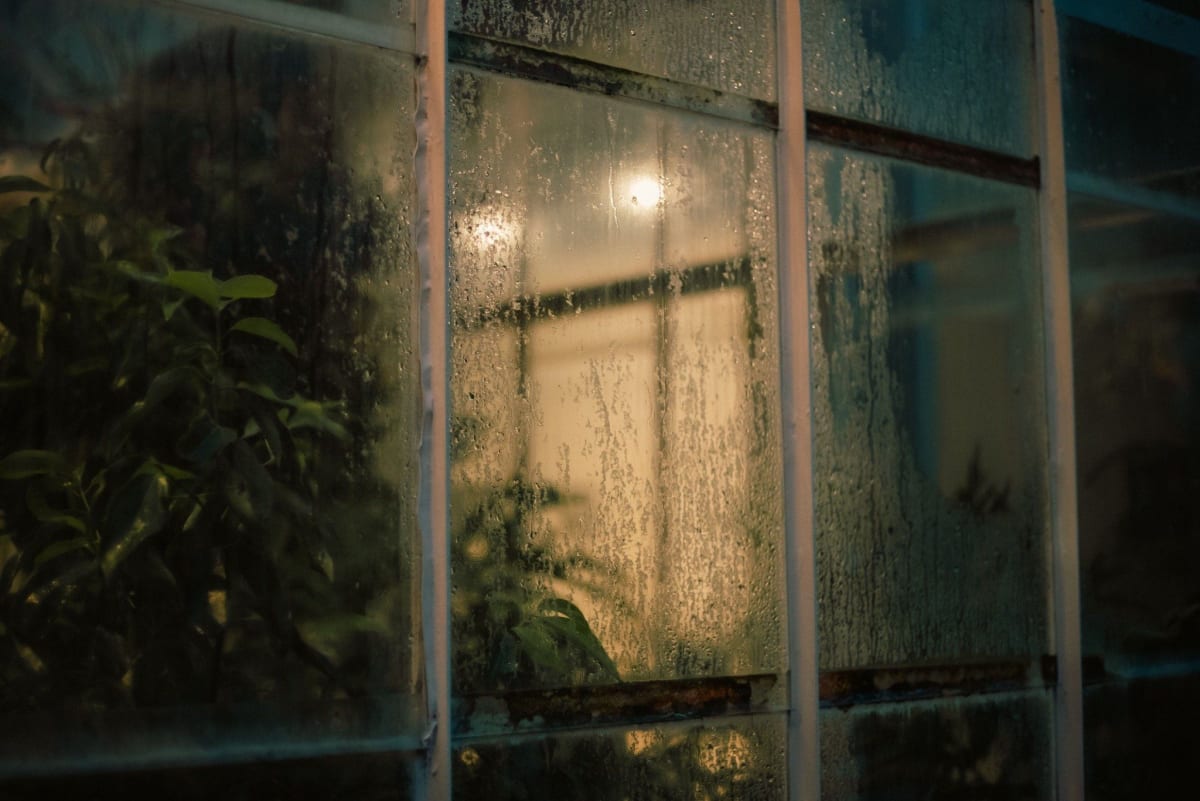
Condensation on the windows of a humid coastal home in Uruguay, illustrating common moisture problems expats should check before buying property.
Market News

Moisture in Uruguayan Homes: Essential Insights for Expats Before Buying

Moisture is one of the most common issues expats discover after buying property in Uruguay. This guide explains how to spot humidity problems, condensation, rising damp, and poor ventilation before buying a home in Punta del Este or along the Uruguayan coast.

Liza – Founder & Real Estate Advisor at Punta HousesBy Liza – Founder & Real Estate Advisor at Punta HousesJune 15, 202615 min read

Many expats purchase their first home in Uruguay during the summer.

The house feels bright, dry, and full of promise. Windows are open, the garden looks fresh, the rooms smell clean, and the ocean breeze seems like part of the dream. During a January viewing, it's easy to picture long lunches outdoors, cozy winter evenings by the fire, and a more relaxed coastal lifestyle.

Then winter arrives.

Suddenly, windows are wet in the morning. A wardrobe smells musty. Paint starts bubbling near the floor. Black spots appear behind the bed. A room that seemed perfectly fine in summer feels cold, damp, and uncomfortable in July.

This doesn't always mean the house was a bad purchase. But it does mean one thing: moisture is one of the most important issues expats need to understand before buying property in Uruguay.

In Uruguay, humidity isn't an unusual defect. It's part of the climate. This is especially relevant for buyers considering homes in Punta del Este, Maldonado, Piriápolis, La Barra, Manantiales, José Ignacio, or Montevideo.

At Punta Houses, we often see foreign buyers focus first on location, views, price, architecture, and proximity to the beach. These factors matter, of course. But when browsing homes for sale in Punta del Este, it's just as important to understand how a property handles rain, humidity, ventilation, heating, and winter conditions.

A beautiful house can become uncomfortable if it traps moisture. An older house with visible damp can still be a good investment if the cause is clear and the repair is feasible. The goal isn't to panic when you see signs of humidity. The goal is to understand what type of moisture you're dealing with.

Some moisture problems are simple. Others are costly. Some are mostly cosmetic. Others can affect structure, comfort, health, and resale value. A buyer who knows the difference has a significant advantage.

Why Moisture Is So Common in Uruguayan Homes

Uruguay has a temperate and humid climate, with rainfall fairly evenly distributed throughout the year. Unlike places with long dry seasons, houses in Uruguay often don't get months of dry weather to fully dry out. According to Uruguay Natural, the country has a humid temperate climate, warm summers, cool winters, and relatively consistent rainfall year-round.

That climate affects buildings every day. Walls, roofs, foundations, terraces, windows, timber, plaster, and interior finishes are regularly exposed to moisture. In coastal areas, wind and salt add extra stress to exterior materials.

Moisture can enter or develop inside a home in many ways. Rain can penetrate through roofs, terraces, cracked render, weak window seals, balconies, or poor flashing. Ground moisture can rise through foundations and walls by capillary action. Indoor moisture can come from showers, cooking, laundry, gas heaters, poor ventilation, and condensation.

The Building America Solution Center explains that moisture moves through buildings in several ways, including bulk water, capillary action, air-transported moisture, and vapor diffusion. That's why "the house has humidity" is not a complete diagnosis.

A damp wall may be caused by a roof leak. Or rising damp. Or condensation. Or a plumbing leak. Or poor drainage. Or a cold wall. Or bad ventilation. Sometimes two or three problems exist at the same time.

Before talking about repairs, you need to understand the source.

Punta del Este vs Montevideo: exposure matters more than the map

It's reasonable to think that Punta del Este can be more demanding for houses than Montevideo, but the explanation is more nuanced than "sea versus river."

Montevideo is not next to a small river. It sits on the Río de la Plata, which NASA describes as the estuary of the Paraná and Uruguay rivers, mixing with the South Atlantic Ocean. Punta del Este is more exposed because it sits where the Río de la Plata meets the Atlantic Ocean. You can read more about the Río de la Plata through NASA Earth Observatory.

Climate averages published by sources such as Timeanddate also show that humidity levels in this region are significant, especially during cooler months. In practice, Punta del Este and the surrounding coastal areas often demand more attention because of wind, salt air, and marine humidity.

But location alone does not decide whether a house will have moisture problems.

A well-built, well-maintained, and well-ventilated home in Punta del Este can perform much better than a poorly maintained property in Montevideo. A house several kilometers from the ocean can still have serious damp problems if the roof is weak, the drainage is poor, the walls are cold, or the ventilation is insufficient.

Microclimate matters. A shaded south-facing wall, a garden level higher than the interior floor, a flat roof with poor slope, blocked gutters, dense vegetation against the walls, or furniture placed against cold exterior walls can all create moisture problems.

So yes, coastal exposure matters. But construction quality, maintenance, and daily use matter just as much.

Rising damp, rain leaks, and condensation are not the same

One of the biggest mistakes buyers make is assuming every damp mark has the same cause.

Rising damp comes from the ground. Moisture travels upward through porous materials such as brick, block, plaster, or concrete. It often appears on the lower part of walls, close to skirting boards. Typical signs include peeling paint, damaged plaster, white salt deposits, and damp patches near the floor.

Rain penetration comes from outside. Water may enter through a roof, terrace, crack, chimney, window joint, balcony, gutter, or exterior wall. It often becomes worse after storms or heavy rain.

Condensation comes from indoor air. It happens when humid air touches a cold surface. This is why mold often appears behind wardrobes, beds, curtains, and in corners. There may be no leak at all. The real problem may be poor ventilation, cold walls, indoor humidity, or the wrong heating system.

Correct diagnosis matters.

Repainting a condensation problem will not solve poor ventilation. A dehumidifier will not fix a roof leak. New plaster will not stop rising damp if ground moisture is still moving upward. And blaming "the sea air" will not help if the real issue is a blocked gutter or an unvented gas heater.

How Different Construction Types React to Humidity

Different construction systems react differently to moisture. Some materials absorb water. Some hide moisture inside cavities. Some show problems quickly. Others hide damage until it is advanced.

For expat buyers, understanding the construction type helps you ask better questions and inspect the right areas.

Brick and masonry homes

Traditional brick, block, and masonry houses are very common in Uruguay. They can be strong, durable, and long-lasting, but they are also porous. Masonry can absorb water and release it slowly.

This can be acceptable when the wall is designed to dry. It becomes a problem when moisture is trapped under impermeable paint, ceramic finishes, poor exterior coatings, or badly repaired plaster.

Typical warning signs include bubbling paint, peeling plaster, white salt deposits, dark marks near the floor, swollen wooden skirting boards, musty smells in cupboards, and freshly painted lower walls.

Fresh paint is not automatically suspicious. Many owners repaint before selling. But if only the lower part of a wall has been repainted, ask why. If the seller says "that is normal humidity," ask what caused it and what was repaired.

Older masonry houses may not have an effective damp-proof course. In that case, ground moisture can continue to rise unless the source is managed. Repairs may involve improving drainage, lowering exterior ground levels, using breathable materials, removing impermeable coatings, injecting a damp-proof barrier, or rebuilding damaged plaster with suitable materials.

The important point is simple: moisture in masonry is rarely solved by paint alone. Paint can hide symptoms for a season. It does not stop water.

Steel-frame, concrete panel, and fiber-cement systems

Modern homes in Uruguay increasingly use steel-frame construction, cement board, fiber-cement boards, prefabricated concrete panels, or mixed systems. These systems can perform very well, but they depend heavily on correct detailing.

Steel itself does not absorb water like brick or wood. But a steel-frame wall is not just steel. It may include membranes, insulation, exterior boards, cladding, joints, screws, sealants, and interior finishes. If water enters the wall cavity and cannot dry, the damage may stay hidden for some time.

The weak points are usually window edges, exterior joints, roof-wall connections, terraces, balconies, and the base of walls.

Concrete and fiber-cement systems are also not automatically waterproof. Panels may be durable, but water often enters through joints, cracks, screws, poor sealants, or bad flashing. In coastal areas, salt-laden wind can also accelerate corrosion of exposed metal fixings, railings, and poorly protected steel elements.

When inspecting these homes, pay special attention to transitions between materials. Most failures do not happen in the middle of a panel. They happen where one material meets another: window to wall, roof to wall, terrace to interior, cladding to foundation.

A modern construction system is not automatically better or worse than a traditional one. A well-detailed steel-frame or panel home can be excellent. A poorly detailed one can develop hidden moisture issues quickly.

Wooden houses and coastal cabins

Wooden homes can be beautiful in coastal Uruguay. They feel warm, natural, and relaxed. But wood requires discipline. It must be protected from repeated wetting and must be able to dry.

The main risk is not occasional humid air. The real danger is constant moisture without drying.

A good wooden house needs roof overhangs, treated timber, ventilation under floors, separation from the ground, well-maintained stains or protective coatings, and careful detailing around decks, windows, and foundations.

Red flags include soft timber near the base of walls, dark stains around window frames, warped boards, musty smells under floors, poor crawl-space ventilation, leaking deck connections, and timber touching soil or wet concrete.

A wooden house with local and visible damage can still be a good renovation project. A wooden house with hidden rot, poor foundations, and constant ground moisture can become very expensive.

With wooden homes, maintenance history matters. Ask when the exterior was last treated. Ask if any boards were replaced. Ask about leaks around windows and decks. A beautiful wooden cabin can be a dream property, but only if it has been protected from moisture over time.

How to Spot Moisture Problems Before You Buy

The hardest time to detect moisture is often summer. In January or February, houses are open, sunny, and ventilated. Walls dry faster. Windows stay open. Sellers may repaint before listing. A house can look perfect during a summer viewing and reveal a different story in winter.

This does not mean you should avoid buying in summer. It means you should inspect with winter in mind.

Use your eyes, but also use your nose. A house often smells damp before it looks damp.

If a room smells musty in summer, take it seriously. If a wardrobe smells closed, open the doors and inspect the back wall. If the seller has placed large furniture against exterior walls, look behind it. If only one section of a wall is freshly painted, ask why.

Summer inspections: clues that survive dry weather

Even when a house feels dry, clues often remain.

Look for bubbling paint, uneven wall texture, white powder on masonry, dark marks near skirting boards, swollen MDF, rusty screws, black spots on silicone, peeling paint behind curtains, stains around air-conditioning units, and corrosion on metal window frames.

Pay special attention to south-facing walls. In Uruguay, north-facing walls generally receive more sun, while south-facing walls are colder and more shaded. Cold walls are more likely to develop condensation, especially behind furniture.

Furniture placement is important. Beds, wardrobes, and sofas placed directly against exterior walls reduce airflow. When warm indoor air cannot circulate, the wall surface stays colder and mold can develop behind the furniture.

A small digital hygrometer is useful. It will not diagnose the source of moisture, but it will tell you whether indoor humidity is unusually high. A moisture meter can also help compare walls, but readings must be interpreted carefully because salts, materials, and finishes can distort results.

A practical buyer rule: if the house looks dry in summer but closed rooms smell damp, assume winter will reveal more.

Winter inspections: when the house tells the truth

If possible, view a property during winter, after rain, or after several cloudy days. This is when many hidden problems become visible.

Check windows first. Condensation on glass does not always mean there is a leak. It often means indoor humidity is high and the glass is cold. But if windows are wet every morning, the house needs better humidity control.

Inspect ceilings near chimneys, skylights, roof penetrations, and exterior corners. Look under sinks, behind toilets, around showers, and near water heaters. Open every wardrobe. Smell closed bedrooms. Touch lower walls. Look at the junction between wall and floor. Moisture often appears where materials meet.

Outside, inspect the roof, gutters, downpipes, terraces, exterior cracks, and ground levels. The garden or paving should not slope toward the house. Rainwater should be directed away from foundations. The EPA guide to mold and moisture specifically recommends keeping gutters clean and making sure the ground slopes away from the foundation.

If a property has visible damp, ask for repair history.

Was the roof fixed? Were the gutters replaced? Was the exterior sealed? Was the drainage improved? Was the wall simply repainted?

A seller who can explain the source and repair is much more reassuring than a seller who says, "Humidity is normal here."

Humidity may be common in Uruguay. But recurring dampness inside a house should always have an explanation.

Dew Point, Ventilation, and Heating: The Moisture Logic Most Buyers Miss

Many expats think moisture control is simple: open the windows and let the house breathe.

Sometimes that is correct. Sometimes it makes the problem worse.

To understand why, you need to understand the dew point.

The dew point is the temperature at which air becomes saturated and water vapor starts turning into liquid water. The U.S. weather agency NOAA explains that dew point is the point at which water vapor condenses into liquid droplets. You can read their explanation of humidity and dew point through NOAA NESDIS.

Think of a cold beer glass on a humid day. The glass isn't leaking. Water forms on the outside because warm, humid air touches a cold surface. The same process happens on windows, exterior walls, concrete beams, bathroom mirrors, and poorly insulated corners.

This is why a house can have moisture problems even without a leak.

If indoor air is humid and wall surfaces are cold, condensation will form. If furniture blocks airflow, the wall behind it stays colder. If the home is closed and unheated in winter, surfaces remain cold for long periods. If the heating system adds water vapor, the problem becomes worse.

Heating doesn't just make a house feel warmer. It also helps keep surfaces above the dew point. Warmer walls reduce condensation risk.

This doesn't mean you should overheat the house. It means a cold, closed, unheated house in winter is more likely to develop mold than a house that is lightly heated, ventilated at the right moments, and kept dry.

When opening windows helps—and when it makes things worse

Relative humidity can be misleading because it depends on temperature.

For example, outdoor air at 10°C and 90% relative humidity sounds extremely humid. But cold air contains much less water than warm air. If you bring that air inside and heat it to 20°C, its relative humidity can drop dramatically. In that situation, opening windows briefly and then heating the air can help dry the house.

But imagine a foggy coastal day at 18°C and 95% relative humidity. That air contains much more moisture. If your walls, windows, or floors are cooler than the dew point of that air, opening windows may bring moisture inside and increase condensation risk.

This is why the best strategy is not "always open" or "always closed." The best strategy is intelligent ventilation.

Good moments to ventilate are often late morning, midday, or early afternoon, especially after the sun has warmed the air. Dry, breezy days are useful. After showers, cooking, or drying laundry, ventilation is important.

Less ideal moments include dense fog, heavy rain, very humid coastal mornings, or warm damp days. During those conditions, keeping windows open for hours may add moisture instead of removing it.

Heating choices are also crucial.

Unvented gas heaters are one of the biggest hidden moisture sources in homes. When gas burns, it produces carbon dioxide and water vapor. If the heater has no flue or exhaust to the outside, that water vapor enters the room. The EPA notes that combustion appliances can add water vapor to indoor air unless they are vented outside. ASHRAE also advises that unvented combustion appliances should not be used as the primary heating source; their guidance on indoor environmental quality can be found through ASHRAE.

As a rough chemistry estimate, burning a 13 kg propane cylinder can produce around 20 liters of water vapor if the combustion products remain indoors. That's like adding buckets of water to the air while trying to dry the house.

This is why homes heated with unvented gas heaters often have wet windows, mold behind furniture, and a musty winter smell.

Gas cooking also adds moisture, although usually less than a heater running for hours. Use kitchen extraction or ventilate after cooking.

Better heating options for moisture control include inverter air conditioners, heat pumps, electric radiators, pellet stoves, wood stoves, and properly vented gas systems. Heat pumps are particularly useful because they heat efficiently and can also help control humidity. The U.S. Department of Energy explains that heat pumps transfer heat rather than generate it, and modern systems can be very efficient. More information is available through Energy.gov on heat pump systems.

For many coastal homes in Uruguay, a modern inverter air conditioner is one of the most practical solutions. It heats without producing water vapor, can reduce humidity in dry mode, and improves comfort during both winter and summer.

A dehumidifier can also be very useful in bedrooms, wardrobes, closed apartments, and coastal homes. But it should be part of a strategy, not a substitute for fixing leaks or drainage problems.

What Moisture Can Damage and How to Solve It

Moisture damages more than paint.

In masonry homes, it can loosen plaster, break down finishes, carry salts to the surface, and create recurring repair costs. In reinforced concrete, long-term water ingress can contribute to corrosion of steel reinforcement, cracking, and spalling. In timber, persistent moisture can cause rot and loss of strength. In steel-frame or panel systems, trapped moisture can damage boards, insulation, fixings, and interior finishes.

Moisture also affects comfort and energy efficiency. Damp materials feel colder. Wet insulation performs poorly. Cold surfaces encourage more condensation. The U.S. Department of Energy states that controlling moisture can make a home more energy-efficient, more comfortable, and less prone to mold; their guidance is available at Energy.gov moisture control.

Health is another serious concern. The CDC information on mold explains that damp and moldy environments may cause symptoms such as stuffy nose, sore throat, coughing, wheezing, burning eyes, and skin rash. People with asthma, mold allergy, chronic lung disease, or weakened immune systems may be more vulnerable.

That does not mean every small stain is a health emergency. But recurring mold, musty smells, and damp bedrooms should not be treated as normal. For families with children, asthma, allergies, or respiratory sensitivity, moisture control should be part of the buying decision.

The correct repair order is important.

First, stop bulk water. Fix roofs, gutters, downpipes, exterior cracks, terraces, balcony leaks, and drainage.

Second, correct ground moisture risks. Make sure soil and paving slope away from the house. Lower exterior levels if they are too high.

Third, improve ventilation in bathrooms, kitchens, laundry areas, and closed bedrooms.

Fourth, reduce condensation by heating intelligently, improving insulation, increasing airflow, and using dehumidifiers where necessary.

Fifth, repair damaged plaster, paint, wood, or boards only after the source is controlled.

Do not start with paint. Paint is the last step, not the solution.

This is especially important in renovation properties. A freshly painted wall may look clean during a viewing, but if the source of moisture is still present, the problem will return.

So, is it worth buying a house with a moisture problem?

Sometimes, yes.

A damp house can be a good investment if the cause is clear, the structure is sound, and the price reflects the repair cost. Blocked gutters, poor ventilation, local roof leaks, bad exterior drainage, and condensation from unvented heating are often solvable.

These issues can even create opportunity. Many buyers reject a house simply because they see damp marks. But if the source is simple and the repair cost is realistic, that same house may be negotiable and financially attractive.

However, be careful with extensive rising damp, widespread timber rot, corroded reinforced concrete, repeated failed repairs, unknown water sources, or drainage problems that cannot easily be changed. In those cases, the issue may still be repairable, but the cost and uncertainty must be reflected in the purchase price.

A useful rule for buyers is this:

Do not ask only, "Does the house have moisture?" Ask, "Why does the house have moisture, and what would it take to solve it properly?"

The best purchase is not always the house with no visible problems. It is the house whose problems are understood, priced correctly, and realistically solvable.

For expats buying in Uruguay, this is where local guidance matters. A house that looks problematic to a foreign buyer may be a manageable renovation. A house that looks freshly painted and perfect may hide recurring humidity issues. Knowing the difference can save money, stress, and disappointment.

When buying property in Uruguay, especially along the coast, moisture should be part of the conversation from the first viewing. If you are unsure whether a humidity problem is cosmetic or serious, work with a local real estate advisor who understands both the market and the way Uruguayan homes behave in winter.

Frequently Asked Questions

Often, Punta del Este can be more demanding because of coastal exposure, wind, salt air, and marine humidity. But location alone does not decide the risk. A well-built, well-ventilated coastal home can perform better than a poorly maintained city property. Microclimate, drainage, roof condition, ventilation, and heating habits are often just as important as distance to the ocean.

Not always. If the outside air is cold and humid, it may become drier once heated indoors. But if the outside air is warm, foggy, and extremely humid, opening windows for a long time can bring more moisture inside. Ventilate strategically, preferably during warmer and drier moments of the day, and avoid leaving windows open for hours during fog, heavy rain, or very humid coastal mornings.

For moisture control, modern inverter air conditioners or heat pumps are often excellent because they heat without producing water vapor. Electric heaters, pellet stoves, wood stoves and properly vented gas systems can also work well. Avoid relying on unvented gas heaters as the main heat source, because they release water vapor into the home and can increase condensation and mold risk.

Not automatically. Many moisture problems are manageable. The key is identifying the cause before buying. A small ventilation problem, blocked gutter or local roof leak is very different from serious rising damp, hidden rot or structural water damage. Always get professional advice before committing to a renovation property with visible moisture, and make sure the repair cost is reflected in the purchase price.

Liza – Founder & Real Estate Advisor at Punta Houses
By

Liza – Founder & Real Estate Advisor at Punta Houses

Liza is the founder of Punta Houses, with a background in real estate, construction, and tourism. After traveling across all continents and living as an expat in South America for over 12 years, she has developed a strong understanding of what international buyers are truly looking for. It is rarely just about a property — it is about lifestyle, location, and the right feeling. With a refined perspective on real estate and in-depth knowledge of the local market, Liza guides clients through every step of the buying process. Her approach is discreet, personal, and focused on finding the right match, with attention to detail and long-term value. She works with clients from around the world and communicates fluently in Dutch, English, Spanish, French, and German, ensuring a smooth and professional experience on an international level. For Liza, real estate is about more than transactions. It is about trust, insight, and creating opportunities that truly align with each client’s lifestyle and ambitions.