Punta Ballena
5 properties available
About Punta Ballena
Some places earn their reputation through scale or spectacle. Punta Ballena earns its through character — and through three men, separated across a century, who each decided that a windswept rocky headland jutting into the Atlantic was exactly the right place to build something extraordinary.
The name comes from the shape. Seen from the water, the elevated sierra that forms this narrow peninsula resembles the back of a surfacing whale — ballena in Spanish. That silhouette, rising up to 50 metres above the bay of Portezuelo, is what gives Punta Ballena its defining quality: height. Unlike the flat coastal strips that characterize most of the Maldonado shore, this is a landscape of cliffs, forest canopy, and long views in every direction. On the western flank, the sun sets directly over the water in a way that draws visitors from across the region every evening. On the eastern side, the towers of Punta del Este shimmer 13 kilometres away — close enough to access in minutes, far enough to feel like a different world.
The first chapter belongs to Antonio Lussich, a Uruguayan maritime entrepreneur who in 1896 bought 4,447 acres of what was then nothing but sand dunes, rocks, and relentless ocean wind. The motivation was domestic: his wife refused to return to Punta Ballena unless something was done about the wind. What followed was one of the more improbable horticultural projects in South American history. Over 30 years, Lussich imported seeds and saplings from five continents — despite the warnings of botanists who insisted nothing would grow there — and planted them methodically across the sierra. The result is the Arboretum Lussich, today a 192-hectare public forest reserve that ranks as the seventh largest tree collection in the world by species diversity, housing over 400 exotic varieties and 70 native ones. The forest didn't just survive — it transformed the entire microclimate of the peninsula. Buyers who wonder why Punta Ballena feels temperate and sheltered year-round are, in a sense, living inside Lussich's legacy.
The second chapter belongs to architect Samuel Flores Flores (1933–2017), who in 1968 was commissioned — at just 34 years old, barely five years out of architecture school — to do something that had never been done anywhere in the world: build a luxury complex inside the living rock of Punta Ballena's cliff face. Working with a road dynamiter named Alfredo Rivas, Flores excavated 1,600 cubic metres of rock using 18,000 sticks of dynamite over three months, carving out a spiral nightclub (boîte) built around a central dancefloor, a bar, a restaurant, and saltwater swimming pools cut directly into the cliff. The Las Grutas Club opened on Christmas Eve 1968, inaugurated by Uruguayan President Pacheco Areco and a gathering of ambassadors. A month before opening, a storm had destroyed the access path entirely — Flores rebuilt it and opened anyway. Accounts describe the experience as unlike anything available anywhere: cocktails at the edge of a natural saltwater pool in the afternoon sun, then dancing at night inside an illuminated cave with a vaulted irregular ceiling six metres high, minor rock passages branching off as private alcoves. Club Méditerranée, which had commissioned the project, later adapted the concept of cliff-carved pools for its Mediterranean properties — crediting the idea to Punta Ballena. The complex closed in 1974, a casualty of Uruguay's political instability and the military government that followed. Today only scattered traces of concrete, a few steps down to the adjacent cove, and a partially flooded cave remain. In 2014, the project was included in Uruguay's official submission to the Venice Architecture Biennale — a belated recognition of what Flores had built, and lost, in that cliff half a century earlier.
The third chapter belongs to Carlos Páez Vilaró, a Uruguayan artist and friend of Picasso and Brigitte Bardot, who in 1958 bought a plot of cliff-edge land in Punta Ballena for what he described as the price of a packet of cigarettes per square foot. He began building a small summer studio. Then he needed more space. Then more. Over 36 years and without architectural plans, he constructed Casapueblo — a 13-floor, whitewashed, curvilinear structure that cascades down the cliff face like something between Santorini and a fever dream, with no straight lines anywhere inside. Páez Vilaró described it as a habitable sculpture built in the style of the hornero, Uruguay's national bird, which constructs its mud nest freehand. Every afternoon since 1994, as the sun drops over the Atlantic, a recorded poem in the artist's own voice plays on the terraces — the Ceremonia al Sol — a ritual now so embedded in the culture of the region that visitors are advised to arrive 40 minutes early to find a spot.
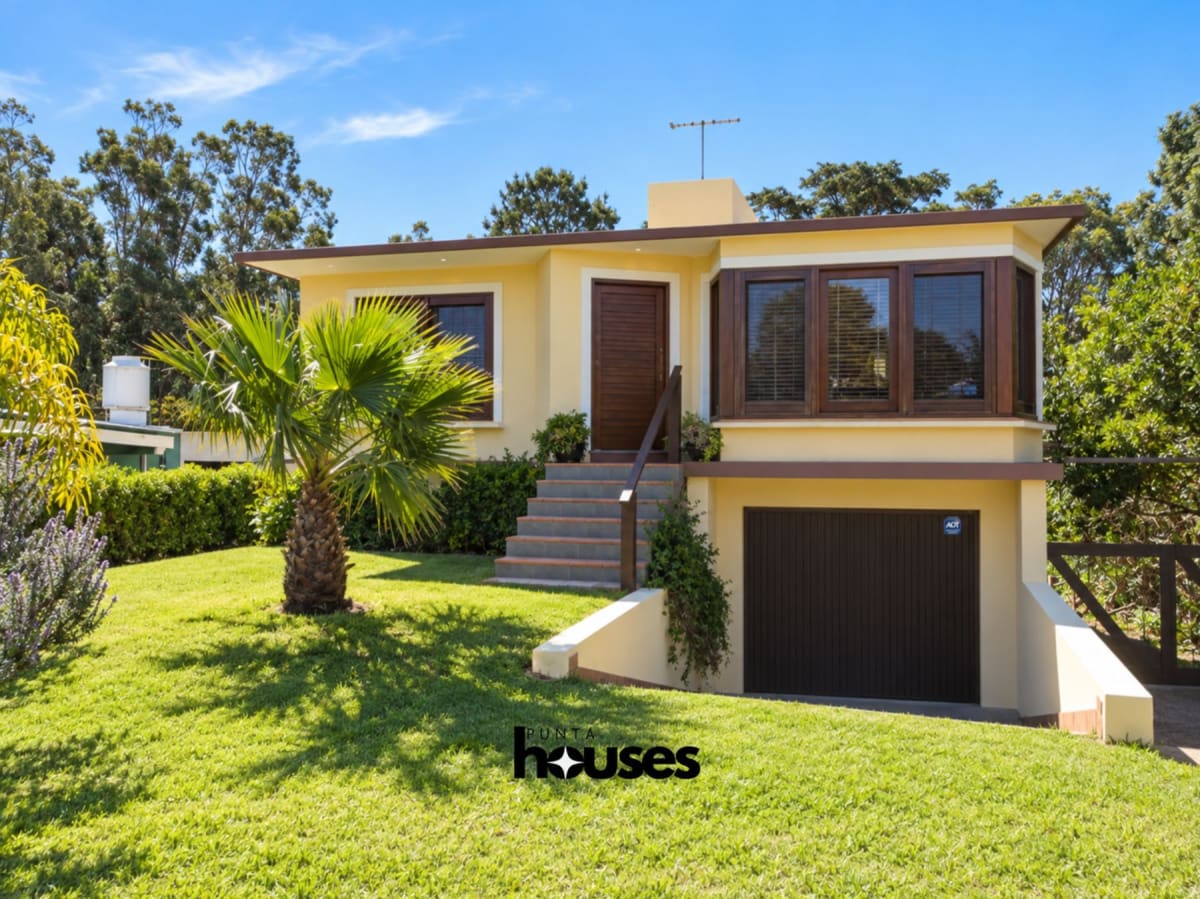
For property buyers, what those three legacies translate into is a neighborhood of genuine scarcity. The terrain itself limits supply: there is a finite amount of cliff-top, forest-edge, and bay-view land in Punta Ballena, and most of it has been built on by people who understood what they had. The result is a market characterized by large-lot villas, Mediterranean-style apartments with terraced ocean views, and a general absence of the high-density tower development that defines the Punta del Este peninsula. Properties here command a premium that reflects both the views and the rarity — this is among the most prestigious residential addresses in Maldonado, attracting buyers for whom the alternative is José Ignacio or an equivalent market elsewhere in the region.
Day-to-day life is quieter and more self-contained than the peninsula. Tienda Inglesa and El Dorado cover grocery essentials. The Club de Los Balleneros, established in 1965, offers a restaurant open to the public with views over Portezuelo bay. The beaches that wrap around the protected western side of the peninsula — from Solanas to Sauce de Portezuelo — are calm, family-oriented, and reliably uncrowded. For everything else, Punta del Este is 15 minutes east on the Interbalnearia, and Capitán Curbelo International Airport is 10 minutes in the same direction.
Christie's International Real Estate chose Punta Ballena as its Uruguayan base when it launched operations in the country in December 2025 — a signal, if one were needed, of where the international luxury market has placed its attention on this coast. The buyers who have always known about Punta Ballena tend to keep the information to themselves. That, too, is part of its character.
Properties in Punta Ballena

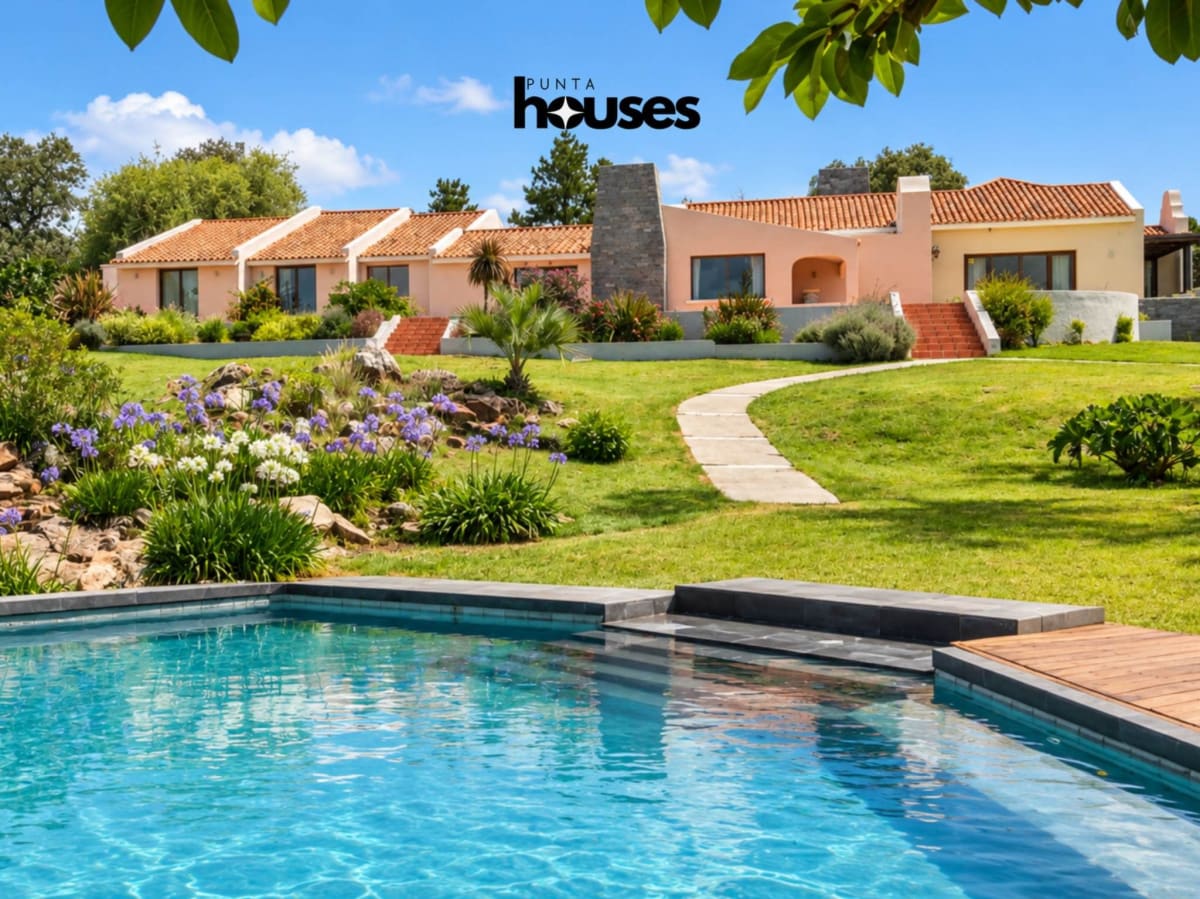
Estate with Lagoon Views and 6 Hectares
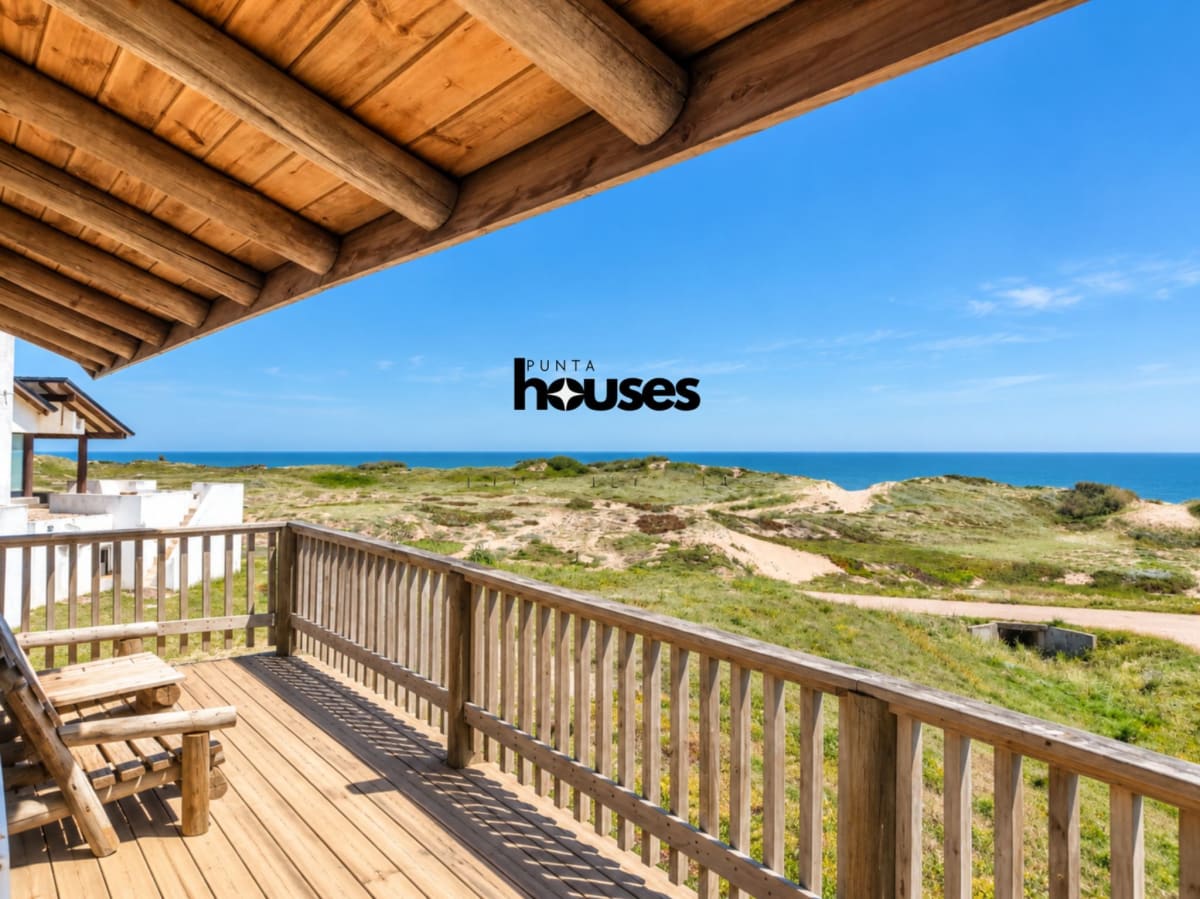
New House 100 mts from the Beach

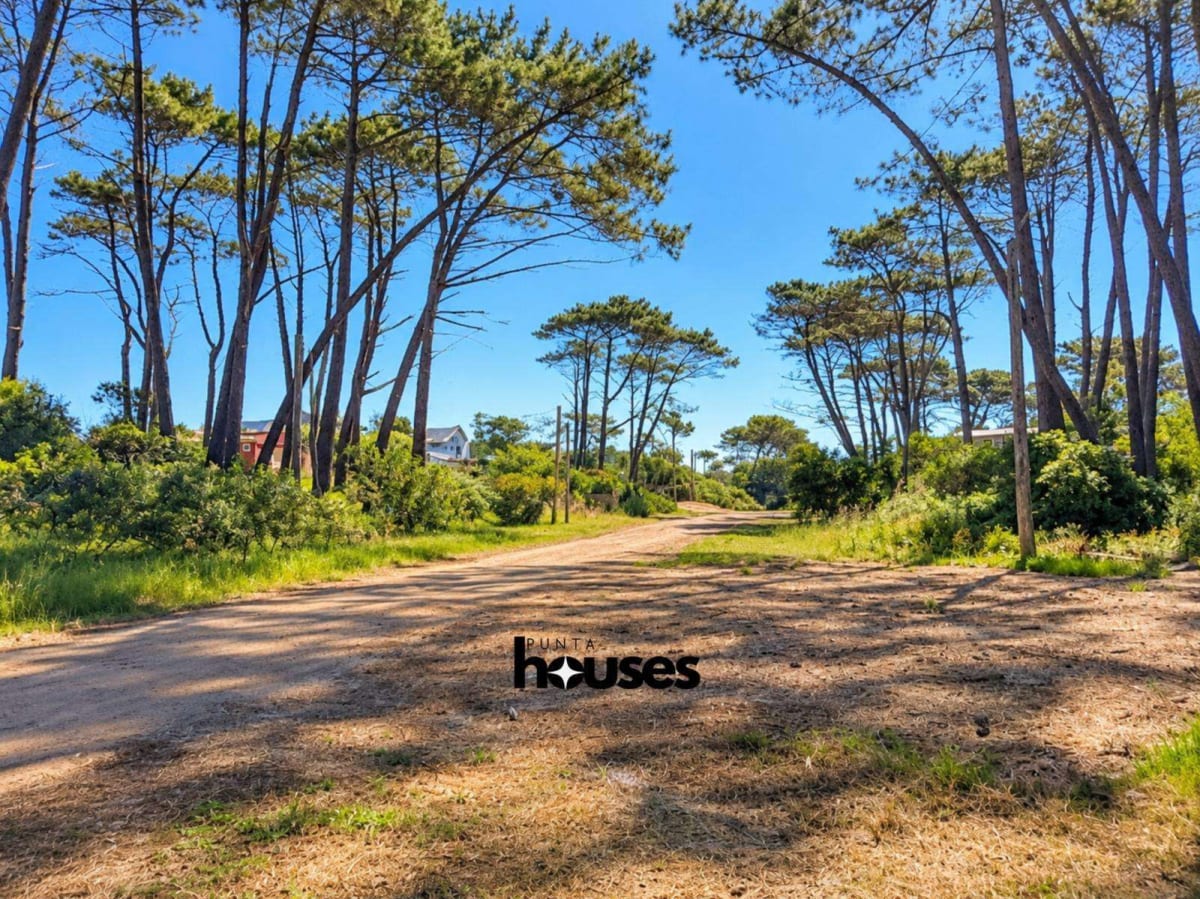
18-Hectare Estate on Camino Benito Nardone

2-Bedroom Home in Club del Lago