
Playa Mansa
Living in Playa Mansa, Punta del Este
Punta del Este's geography follows a simple logic that most visitors grasp within hours: Brava is for watching; Mansa is for living. The Brava, facing the Atlantic, offers spectacle — powerful surf, the iconic La Mano sculpture half-buried in the sand, a beach that photographs beautifully and demands attention. The Mansa, facing west over the Río de la Plata, offers something rarer in a resort city: tranquility, space, and the conditions for a true daily routine. It's where permanent residents jog in the morning. It's where families swim without worrying about currents. And it's where, every evening, the sun drops into the water in a way that makes everyone pause.
The Mansa strip runs along Rambla Claudio Williman from the western tip of the peninsula, stretching westward through some of Uruguay's most storied real estate. The Enjoy Hotel & Casino marks the start at Parada 4 — a landmark in its own right, the first Conrad-branded hotel in Latin America when it opened in 1997, still the largest hotel complex on the coast, with five restaurants, a 3,400-square-metre casino, spa, showroom, and shopping center, all facing the beach. Further west, the rambla passes Laguna del Diario, a small coastal lagoon with more historical significance than its modest size suggests. Beyond that, at what locals call Parada 40, stands Casa Poseidón — one of the most architecturally distinctive buildings on the entire Uruguayan coast. Further still lies Piedras del Chileno, a rocky coastal stretch marking the outer boundary of the Mansa, with its own small but loyal community of residents seeking the Mansa's advantages with even more distance from the peninsula's summer crowds.
The Beach and the Rambla
The name Mansa — mild, gentle — is both accurate and intentional. The western shore of the Punta del Este peninsula is sheltered from the Atlantic swells by the peninsula's geography, which deflects open ocean energy to the Brava side. What reaches the Mansa is calm, flat, swimmable water — warm at the February peak, still pleasant in the shoulder months, and consistently safe in a way the Brava, with its undertows and unpredictable breaks, simply isn't. For families with children, anyone who wants to actually get in the water, and the growing population of year-round residents who swim as part of their daily routine, the Mansa is the obvious choice.
The rambla running the length of the beach is one of Uruguay's best stretches of coastal infrastructure. Wide enough for cyclists and pedestrians to share, it fills each morning from around 7am with joggers, dog walkers, and people on rental bikes moving along the waterfront. In the evenings, the atmosphere shifts: couples, families, and groups settle onto the beach or promenade benches as the sun begins to set. The Mansa faces almost due west, making sunset not a peripheral event but the main attraction — the sun dropping directly into the water from a vantage point you can follow from the moment it touches the horizon. From apartments along the rambla, the view is framed by a balcony. From the beach itself, it's simply free.
Poseidón Laguna: Architecture, History, and a Story Worth Knowing
At Parada 40, on the western stretch of the Mansa, stands one of Punta del Este's most talked-about and genuinely fascinating buildings. Casa Poseidón was designed in 1978 by architect Samuel Flores Flores — the same visionary behind the Las Grutas nightclub carved into the Punta Ballena cliffs a decade earlier, and whose Torres Blancas house was selected for MoMA's Latin American Architecture catalogue. The commission came from Arnaldo Martinenghi, an Argentine industrial magnate, and the result was a Mediterranean-inspired mansion with gently curved white walls and a flower-shaped structural plan that Flores Flores described as a habitable sculpture. There are no straight lines. The roofline undulates. The entire structure feels organically grown rather than conventionally built — which was precisely the intention.
For decades, Casa Poseidón was among Punta del Este's most coveted private residences. It stood at the city's entrance for travelers arriving from Montevideo, serving as an unofficial landmark signaling arrival. Presidents, South American industrialists, and cultural figures passed through its doors throughout the 1980s and 1990s — it was the kind of house that existed in a social orbit most people only read about. When the property was eventually purchased for redevelopment, a public debate erupted over whether to preserve it — Flores Flores himself, then in his eighties, publicly advocated for its survival. The resolution preserved the house at the heart of what is now the Poseidón Laguna development: three apartment buildings by the distinguished studio Mario Roberto Álvarez y Asociados built around Casa Poseidón, which now houses the complex's amenity spaces. The result is truly unique — a luxury residential development anchored by a piece of architectural history, preserved because enough people understood its value.
The lagoon that gives the development its name — Laguna del Diario — carries its own historical weight. In 1755, the Spanish governor of Montevideo, José Joaquín de Viana, sent the first 13 settlers to the shores of this small lagoon to establish what would become the city of Maldonado. The settlement lasted two years before relocating inland. The lagoon's name dates back to that period: the settlers' animals grazed there a diario — daily — and the name stuck through three centuries of everything that followed, including the construction of the Ruta Interbalnearia, which now separates it from the bay by fifty metres.
The Real Estate Case
Playa Mansa consistently ranks among Uruguay's most valuable residential addresses. Beachfront and first-line apartments here command between $5,000 and $10,000 per square metre — the upper end of the Punta del Este market and broadly comparable to the Brava and La Barra corridors. The premium is justified by a combination of limited supply, lifestyle quality, and sustained international demand that has kept Mansa values rising despite broader market fluctuations. Projected appreciation for first-line Mansa properties in 2026 is 5–10%, consistent with recent years. The rental market is equally robust: well-positioned apartments in peak season generate yields among the most competitive in Uruguay's coastal market.
The property mix along the Mansa ranges from older buildings with larger floor plans and sea views — often from the 1970s and 1980s, when much of the strip was first developed — to contemporary new towers with full amenity packages and premium finishes. Renovation of existing stock has accelerated, with buyers acquiring older units, stripping them back, and rebuilding interiors to modern standards while retaining views and locations that simply cannot be replicated. The gap between a renovated and unrenovated unit in the same building can be $1,000 per square metre or more — a meaningful arbitrage for buyers willing to take on the work.
Who Lives Here and Why
The Mansa's resident profile is noticeably different from the Brava side. Where the Brava attracts younger buyers drawn by the surf scene and proximity to the peninsula's nightlife, the Mansa appeals to a more settled demographic: Argentine and Brazilian families who have rented here for years and decided to buy; expat retirees from Europe and North America seeking walkability, calm water, and the practical convenience of the Enjoy Hotel's amenities nearby; and a growing number of Uruguayan professionals relocating permanently from Montevideo who have identified the Mansa's rambla lifestyle as worth the premium.
What they share is an understanding that the Mansa's unique quality of life — the morning rambla, the flat water, the evening sunsets, the relative calm compared to the peninsula's summer intensity — is not easily found at this level anywhere else on the Uruguayan coast. The Brava is more dramatic. José Ignacio is more exclusive. La Barra is more fashionable. But for those who want to truly live in Punta del Este, day after day, all year round, the Mansa consistently makes the most sense.
Our Neighborhood Matcher can help you compare Playa Mansa with other areas across the Punta del Este corridor based on your lifestyle priorities and budget. You can also explore current listings across the Mansa strip at Punta del Este Houses.
Frequently Asked Questions
Playa Mansa faces west over the Río de la Plata and has calm, sheltered waters ideal for swimming, paddleboarding, and kayaking. Playa Brava faces the open Atlantic, with powerful surf, stronger currents, and a more dramatic beach environment popular with surfers and younger visitors. For families and permanent residents, the Mansa is generally preferred for daily use and lifestyle. It also faces west, delivering spectacular sunsets directly into the water — something the Brava, facing east, cannot offer.
The Enjoy Punta del Este Resort & Casino is the largest hotel complex on the Uruguayan coast, located at Parada 4 directly across from Playa Mansa. It opened in 1997 as the first Conrad-branded hotel in Latin America and remains a landmark of the city, with five restaurants, a 3,400 square metre casino, spa, showroom, indoor and outdoor pools, and a beach club. It is both a tourist destination in its own right and a practical amenity for Mansa residents.
Casa Poseidón was designed in 1978 by celebrated Uruguayan architect Samuel Flores Flores for Argentine industrial magnate Arnaldo Martinenghi. With its characteristic curved white walls and flower-shaped plan, it was one of the most iconic private residences in Punta del Este for decades — frequented by presidents, industrialists, and cultural figures across the 1980s and 1990s. When the property was acquired for redevelopment, a public debate about its preservation led to a landmark decision: the house was kept as the architectural centrepiece of the Poseidón Laguna residential complex, now housing amenities for the surrounding apartment buildings.
The Laguna del Diario, which sits just behind the Playa Mansa strip near Poseidón Laguna, was the site of the very first settlement that would become the city of Maldonado. In 1755, Spanish governor José Joaquín de Viana sent the first 13 settlers to the lagoon's shores to establish a colonial outpost. The settlement lasted until 1757, when it was relocated inland to its current position. The lagoon's name comes from this period — the settlers' animals grazed there daily (*a diario*), and the name has persisted through three centuries of history.
Playa Mansa is one of the most valuable residential addresses in Uruguay. First-line and beachfront apartments command between $5,000 and $10,000 per square metre, placing them at the upper end of the Punta del Este market. The range runs from older buildings with larger floor plans — many from the 1970s and 1980s — through to contemporary new towers with full amenity packages. Projected appreciation for prime Mansa properties in 2026 is 5–10%, consistent with recent years of sustained growth driven by international demand.
Yes — it is arguably the best-suited beach area in Punta del Este for families. The calm, flat water has no dangerous currents or surf, making it safe for children to swim independently. The rambla is wide and well-maintained, ideal for cycling and walking. The area has a noticeably residential and settled character compared to the Brava side, and the Enjoy Hotel's facilities — pools, restaurants, kids' activities — provide additional year-round amenities within walking distance.
Well-positioned Mansa apartments generate some of the strongest rental yields in Uruguay's coastal market. During peak season (December to February), beachfront properties achieve occupancy rates of 90–95% and command premium daily rates. Annual gross yields for well-managed Mansa properties typically range from 5–8%, higher for newer buildings with better amenities and direct beach access. The Mansa's appeal to year-round residents also means shoulder-season occupancy is more stable than in purely seasonal resort areas.
Life on the Mansa is distinctly active and centered around the outdoors. From around 7am, joggers, cyclists, and swimmers take to the rambla. By mid-morning, the beach comes alive with swimmers and paddleboarders, while water sports — kayaking, paddleboarding, and kitesurfing on windier days — continue into the afternoon. Evenings on the Mansa are marked by the sunset, which faces almost directly west and sinks into the sea right from the beach. Residents describe this as one of the most consistent daily pleasures of living here — a natural event that beautifully marks the close of each day.
Calm Mansa Beach
Sheltered from Atlantic swells and facing the Río de la Plata, Playa Mansa's gentle waters are ideal for swimming, paddleboarding, and kayaking year-round.
From Peninsula to Piedras del Chileno
The Mansa strip runs west from the tip of the peninsula past the Enjoy Hotel, Laguna del Diario, and the iconic Casa Poseidón all the way to Piedras del Chileno.
Spectacular Sunsets
Facing west over the water, Playa Mansa delivers some of the finest sunsets in Punta del Este — a daily event watched from the beach, the rambla, and countless apartment balconies.
Active Rambla Lifestyle
The coastal path along Rambla Claudio Williman fills each morning and evening with joggers, cyclists, and walkers — a built-in community of active, health-conscious residents.
Enjoy Hotel & Casino
One of South America's landmark resort hotels anchors the Mansa strip at Parada 4, with five restaurants, a casino, spa, and showroom all steps from the beach.
Premium Beachfront Values
First-line Mansa apartments command $5,000–$10,000 per sqm, among the highest in Uruguay, with 5–10% projected appreciation for 2026 in prime beachfront locations.
Residential & Year-Round
Unlike the more commercial Brava side, Playa Mansa has a noticeably residential character, attracting families, expats, and permanent residents who value calm over spectacle.


Designer 4 BDR Residence at Fendi Château
Inquire for Price

Exclusive Residence Laguna Poseidon (312)

Renovated Apartment with Ocean Views
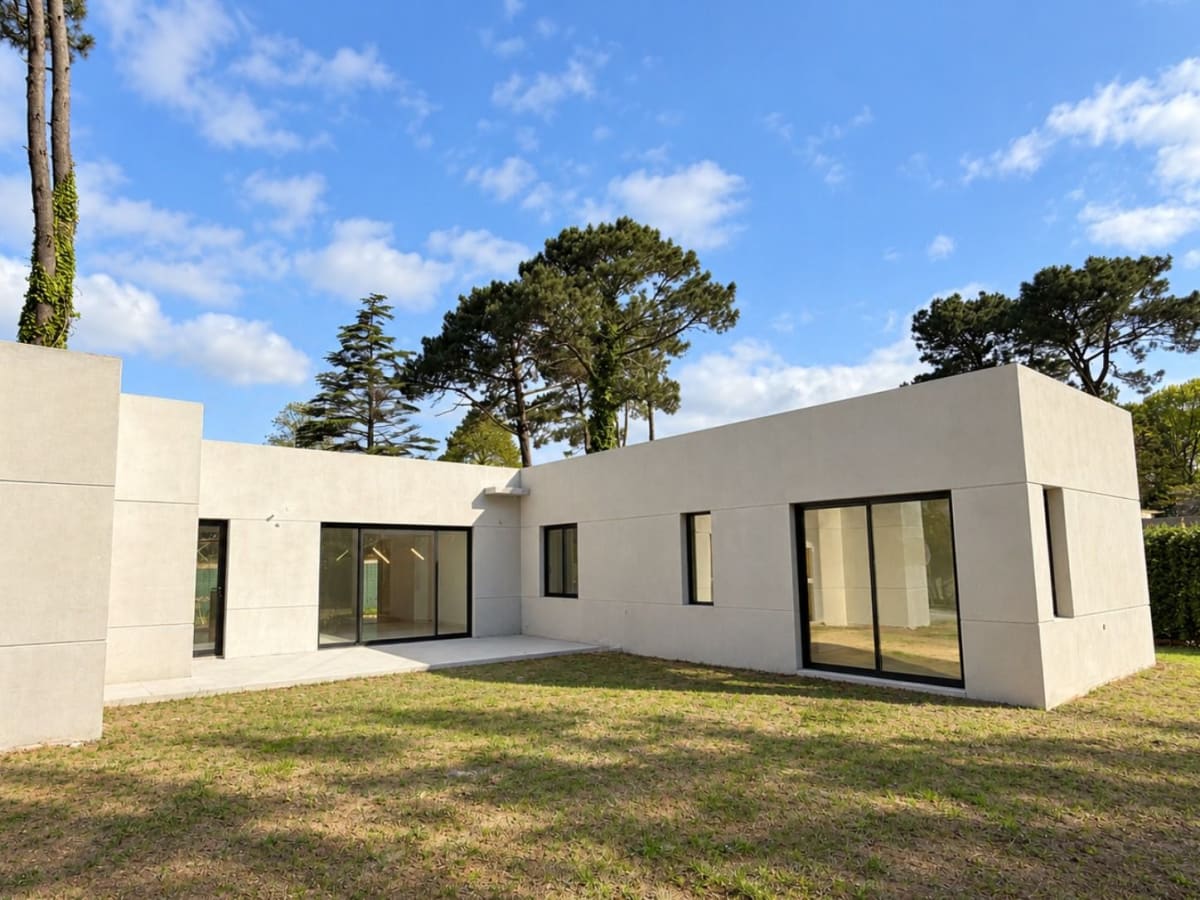
Brand-New 3-Bedroom Home with Private Garden
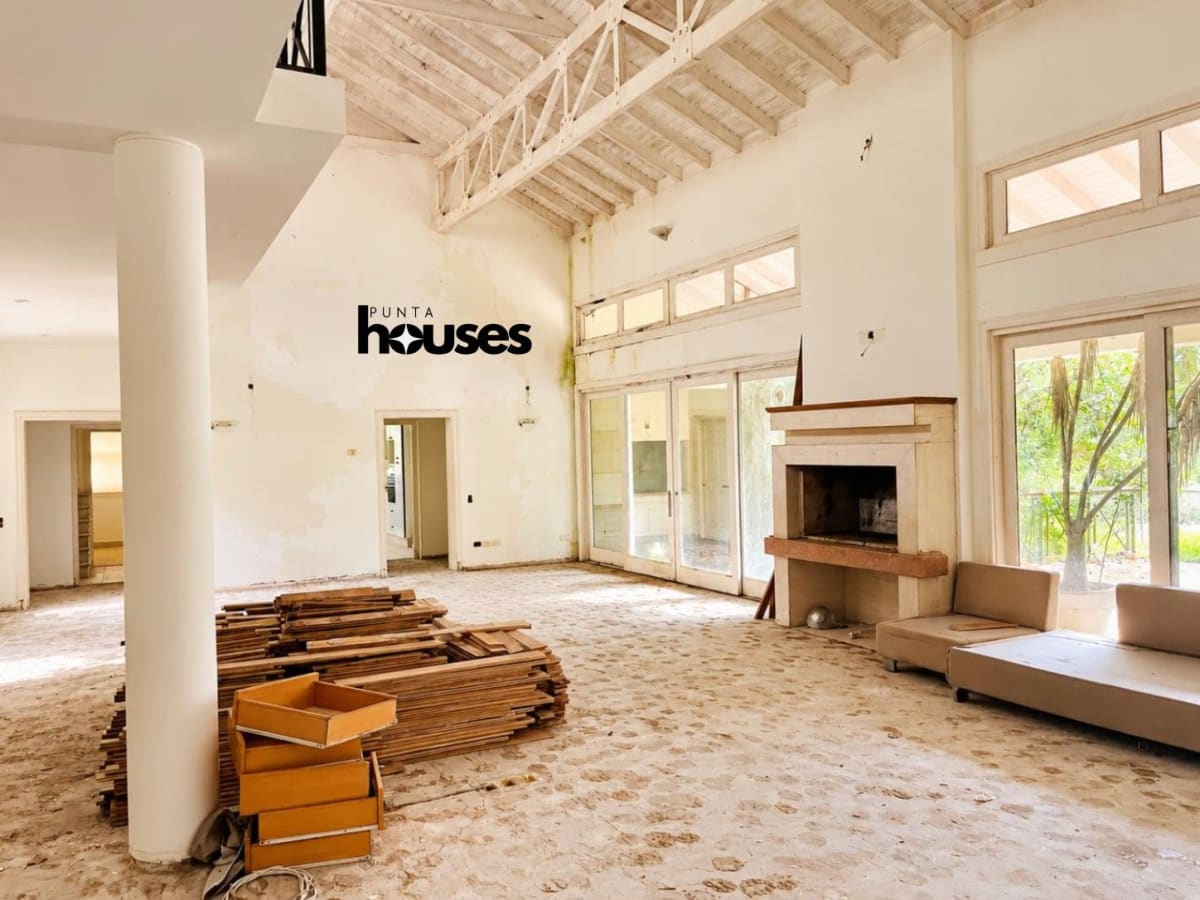
Grand Estate with Pool and Exceptional Renovation Potential

1,000 m² Plot with Development Potential
Interested in this area?
Our team knows every corner of this neighborhood. Let us help you find the right property.